AnnouncementFund II
RunwayVC Fund II: backing the next generation of industry
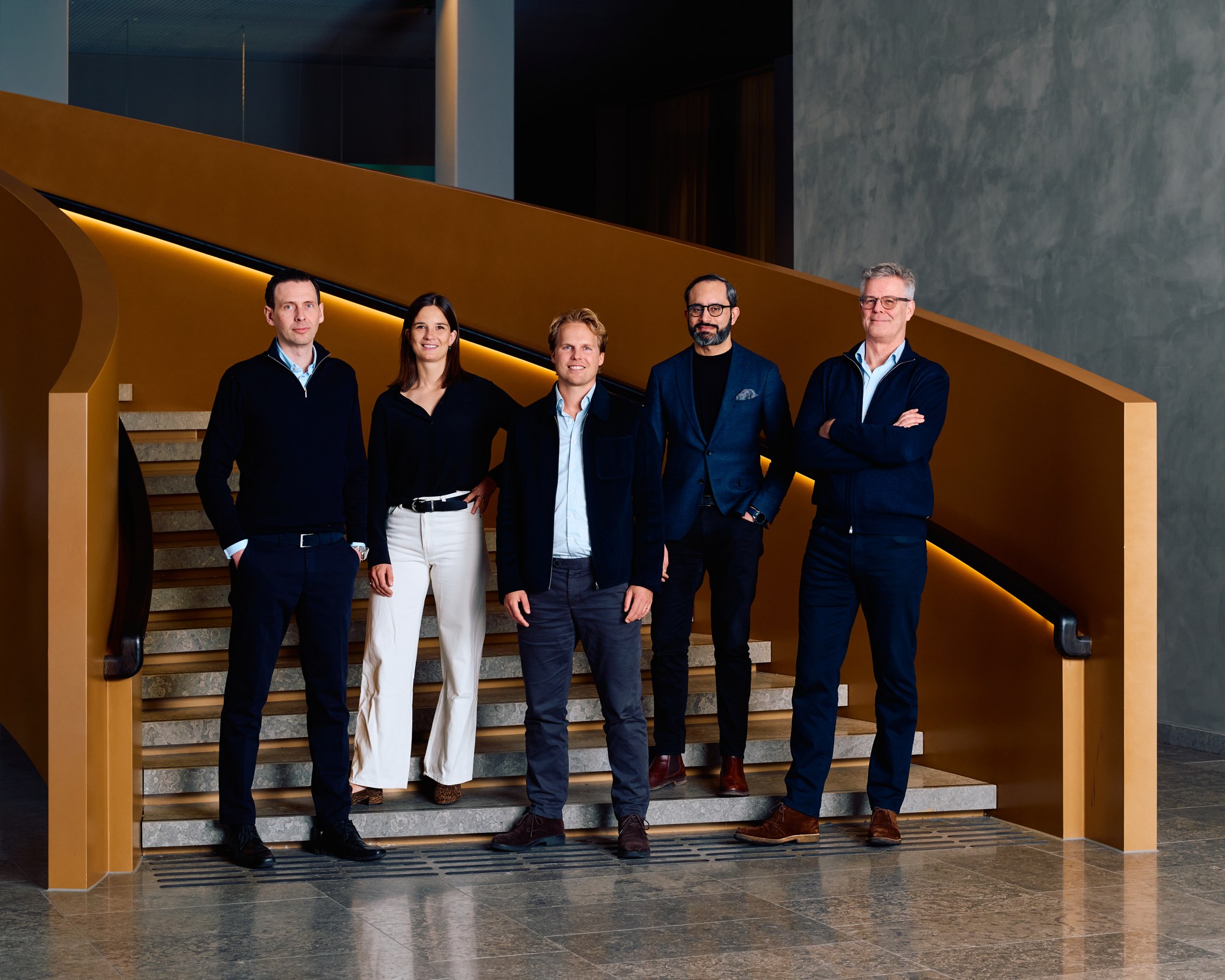
Today, we are announcing the first close of RunwayVC Fund II at NOK 400 million (€40 million).
Aker continues as our cornerstone investor, joined by Halliburton, Aker BP and Aker Solutions, institutional investors KLP and Investinor, Norwegian industrial families and a group of experienced technology and finance investors.
But Fund II is about more than a larger pool of capital.
It represents a conviction we have been building around for the past five years: some of the next major global technology companies will be built in industrial technology.
And we believe the conditions for building them have never been stronger.
01The next technology wave is moving into industry
AI has already transformed how we build software, search for information and interact with digital systems. The next phase increasingly moves beyond the screen.
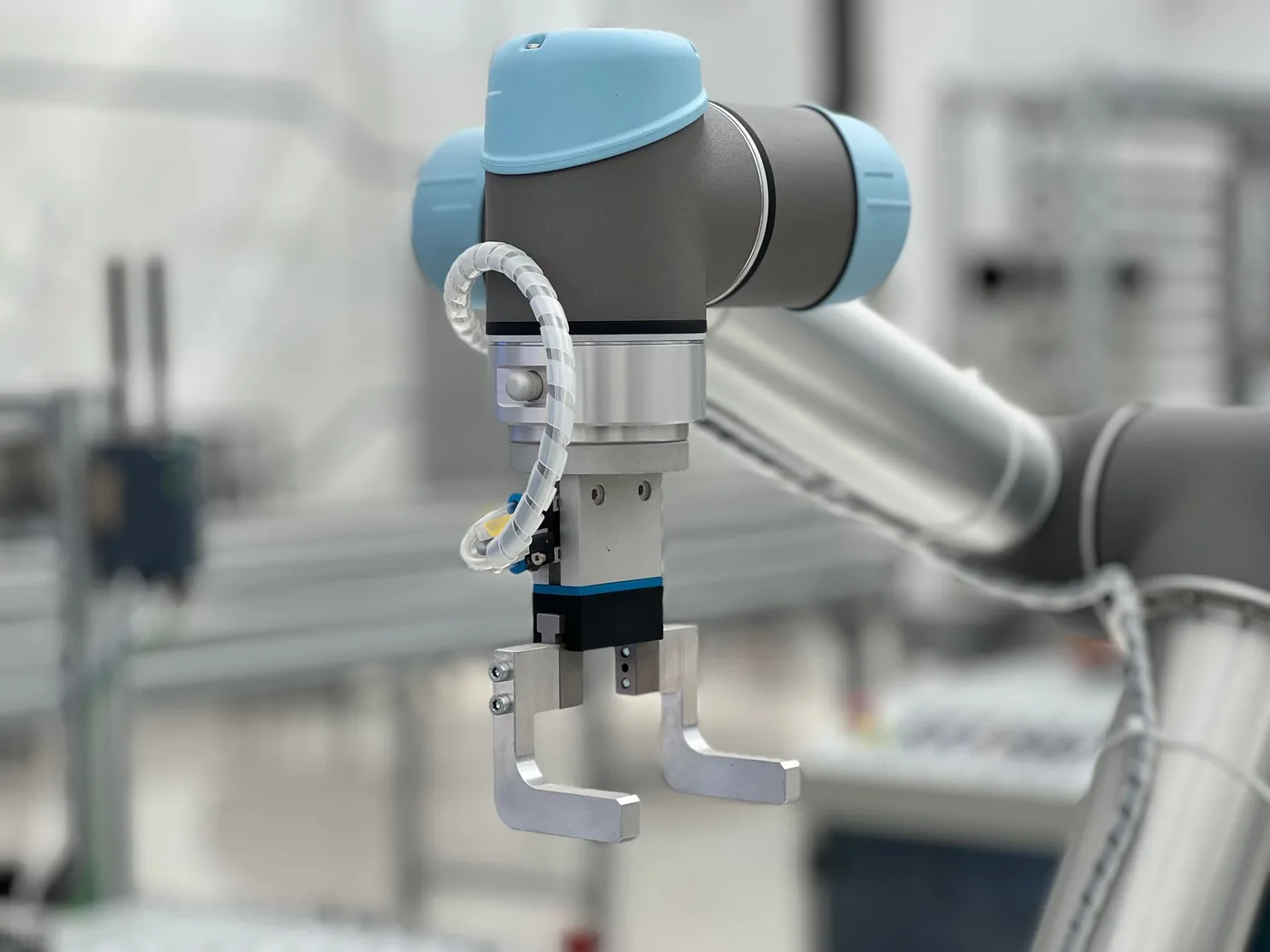
AI, data, software, robotics and autonomous systems are moving into factories, energy systems, machines and critical infrastructure. Physical assets are becoming connected. Industrial data is becoming usable at scale. Software is moving closer to operational decisions. Machines are becoming increasingly capable of sensing, deciding and acting.
This is not technology in search of a use case.
Industry faces very real pressure to increase productivity, improve safety, reduce downtime, address workforce constraints and operate more efficiently. At the same time, the underlying technology has matured enough to solve a growing number of these problems in real operating environments.
That convergence is what makes this moment particularly interesting.
02Why the Nordics can produce global industrial technology leaders
The Nordics are not the world’s largest domestic technology market. That is not the advantage. The advantage is having some of the world’s most sophisticated industrial environments within reach.
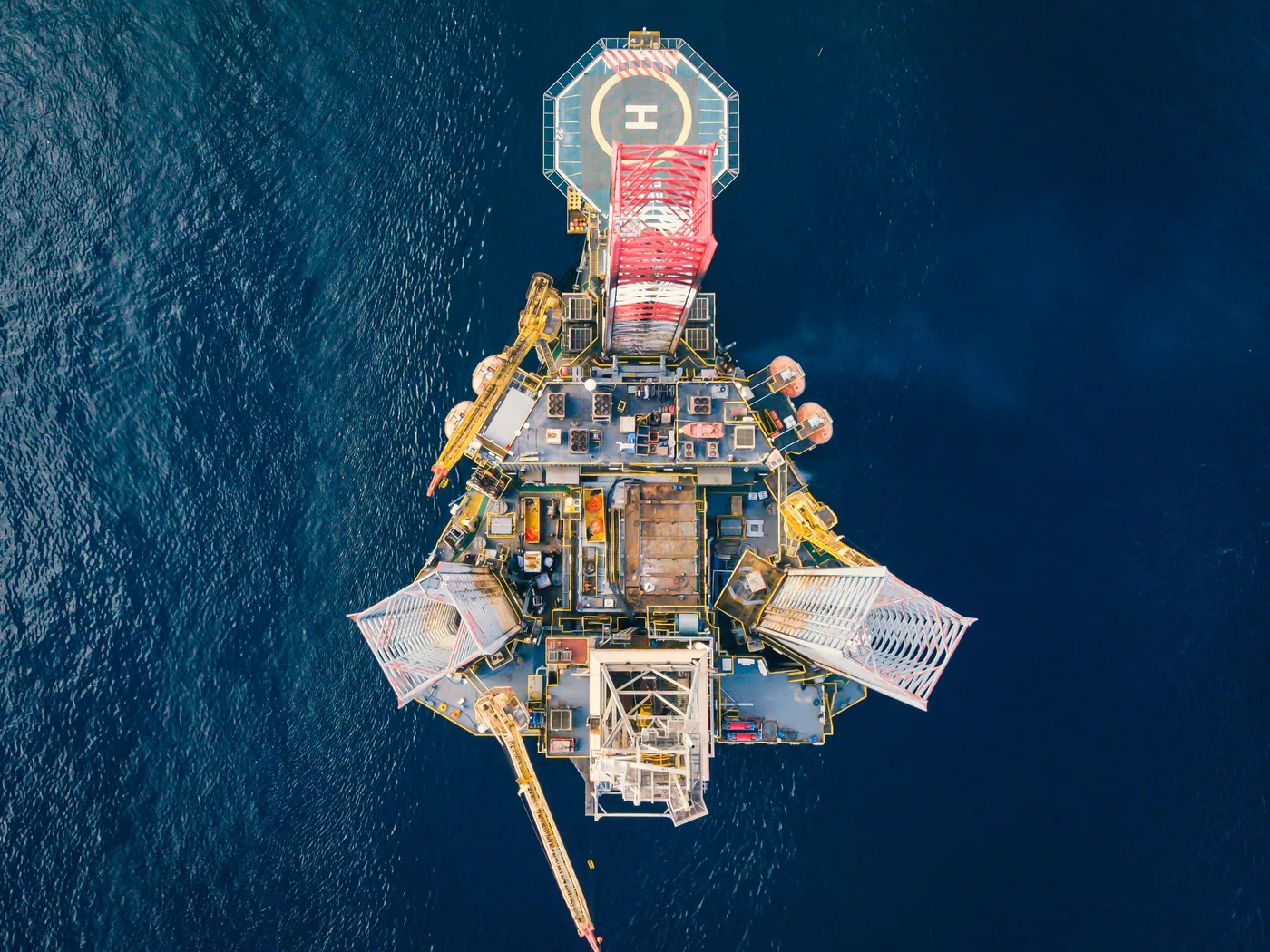
Norway has deep engineering expertise and globally competitive companies across energy, maritime, offshore, manufacturing and critical infrastructure. These are demanding customers operating in environments where technology has to work safely and reliably, not just look good in a demonstration.
For an early-stage industrial technology company, that matters.
A demanding industrial customer can expose weaknesses quickly. But technology that proves itself in these environments can build technical credibility, commercial references and knowledge that travel far beyond Norway.
We see the Nordics as an unusually strong place to build and validate industrial technology. The ambition, however, has to be global.
03Fund I gave us a model to build from
When we started Fund I in 2022, our thesis was already centred on the intersection between technology and industry.
Since then, the team has invested in 24 companies, completed 23 follow-on investments and achieved two exits. Collectively, Fund I portfolio companies have raised more than NOK 2 billion in external capital.
More important than the activity itself is what we have learned. Industrial access creates value when it is built into the investment process rather than treated as something added after an investment.
It can help us understand which problems industry actually needs solved. It can strengthen technical and commercial validation before we invest. And once we do invest, it can bring founders closer to operators, technical experts, customers, pilots and commercial opportunities.
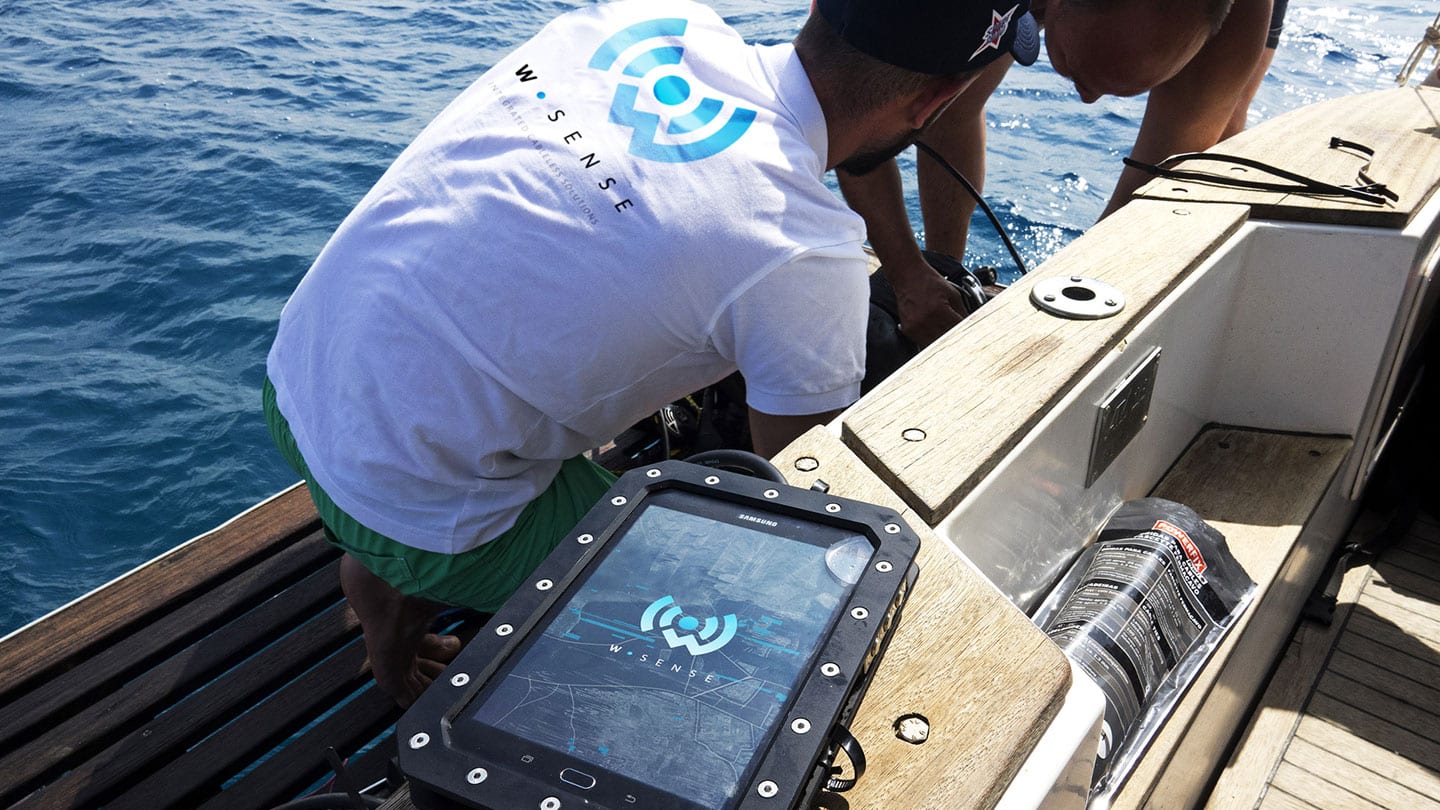
We have seen this play out across the portfolio. OTee’s engagement with Aker BP helped the company establish its first commercial agreement in oil and gas. AirHub is working with Aker Solutions to develop new commercial opportunities for its drone operations technology. We have helped deepen WSense’s engagement across technical, research and commercial environments within Aker BP. Sonair has benefited from support across company building, fundraising and industrial positioning.
Different companies, different technologies, but the same underlying principle.
04Fund II takes that model further
Fund II gives us more capacity to back companies from pre-seed to Series A and to continue supporting the strongest companies as they develop.
We plan to make approximately 20 investments over the next three to five years, primarily across Norway and the Nordics, with selected investments elsewhere in Europe and the US.
Our investment thesis spans three connected areas.
- 01
Connectivity and IoT
Connects machines, sensors, assets and industrial data.
- 02
Industrial Intelligence and Orchestration
Turns that data into understanding, decisions, control and coordinated action.
- 03
Robotics and Automation
Brings that intelligence into the physical world.
The boundaries between these areas are becoming increasingly blurred. That is precisely where we think some of the most interesting opportunities will emerge.
05The first two investments show where this is heading
We have already made the first two investments from Fund II.
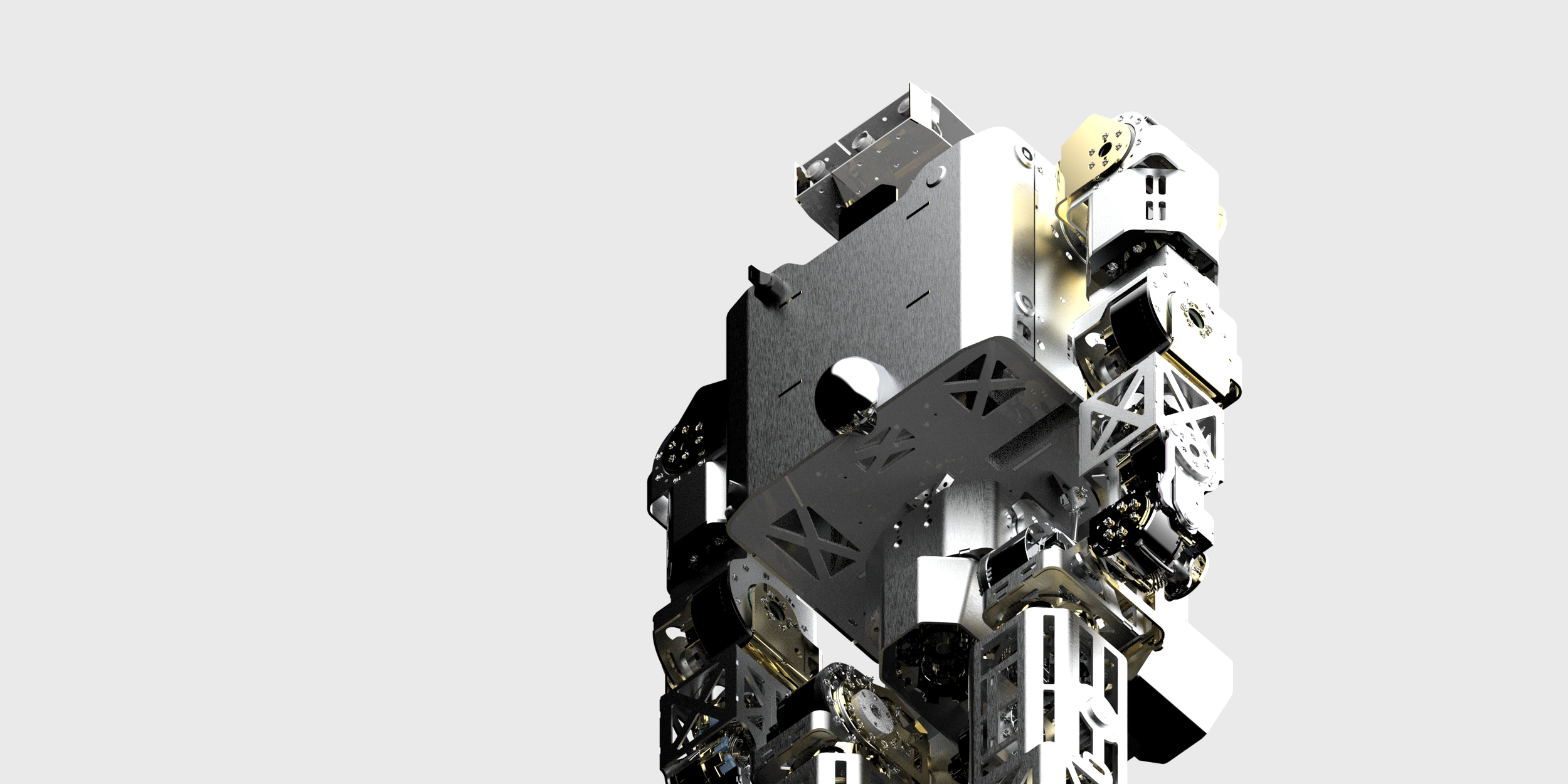
Minerva Humanoids is developing rugged humanoid robots for dangerous and demanding industrial operations. Its team brings experience from Tesla, Boston Dynamics and MIT, and we invested alongside General Catalyst and Long Journey. We have already introduced Minerva to senior leaders at Aker BP, giving the team access to people who understand the environments and use cases they are building for.
Minerva represents one side of the opportunity: building entirely new machines capable of performing work that remains too hazardous or difficult for existing automation.
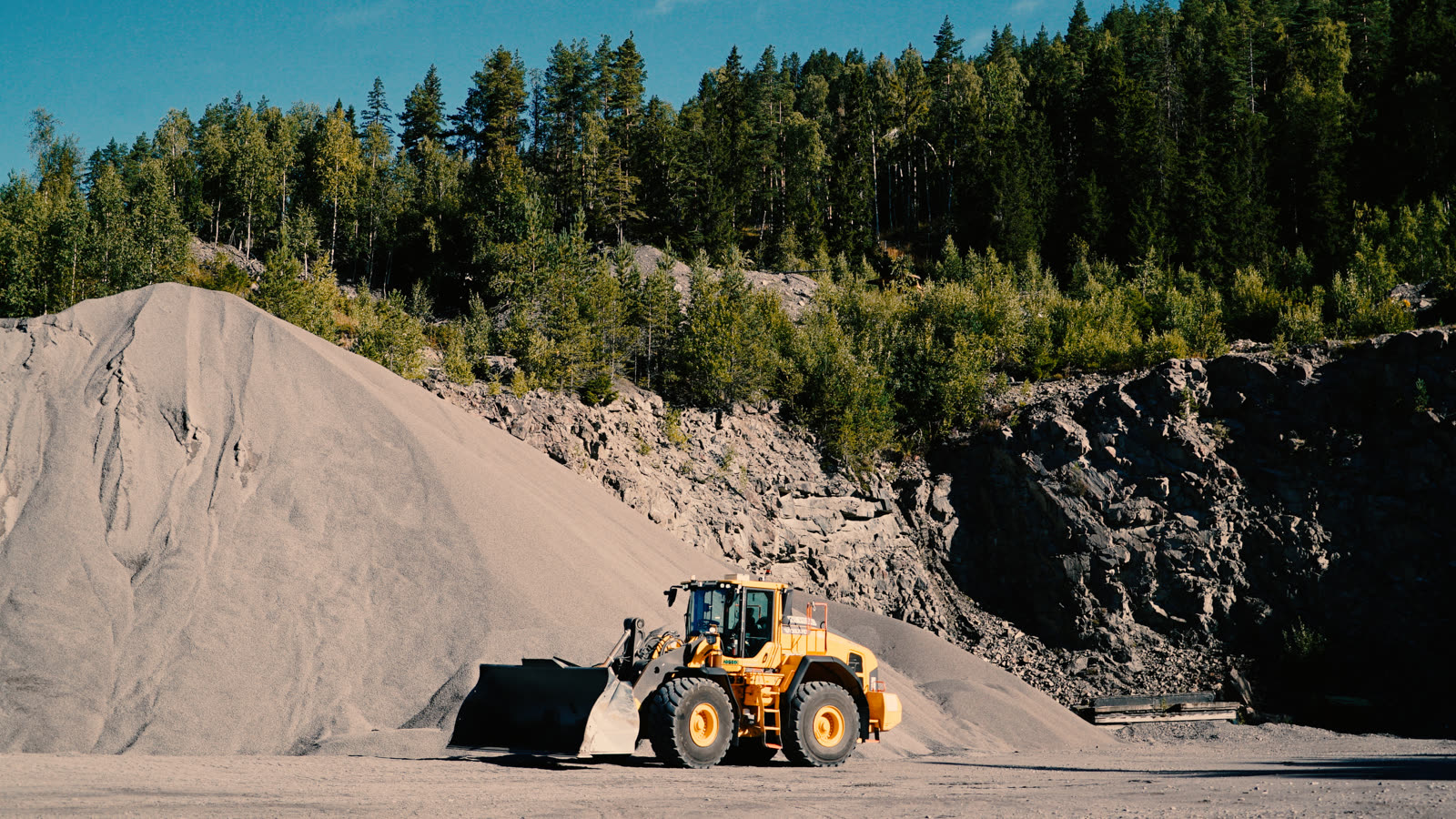
HIVE Autonomy approaches the opportunity from another direction. HIVE is building a Physical AI platform that makes existing industrial machinery autonomous. Its technology is already deployed at industrial sites across Scandinavia.
Industry has an enormous installed base of expensive machines that will not simply be replaced as AI improves. Making those existing assets increasingly intelligent and autonomous represents a major opportunity in its own right.
One company is building a new class of machine. The other is bringing autonomy to machines already working today. Both point towards the same future: intelligence moving deeper into physical industry.
06An investor base that reflects the strategy
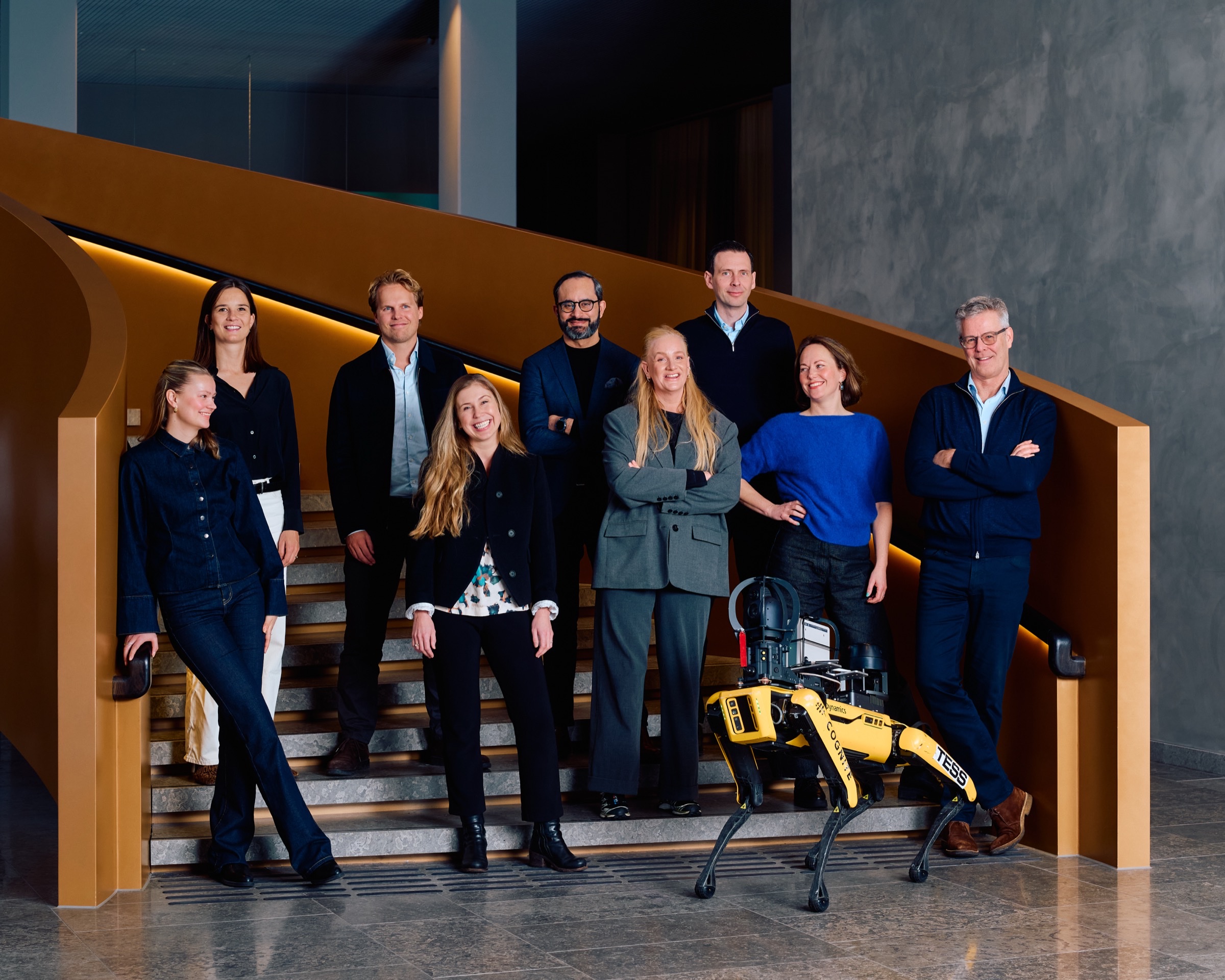
Fund II also changes the breadth of the ecosystem around RunwayVC.
Aker remains our cornerstone investor, but the LP base now includes Halliburton, Aker BP and Aker Solutions alongside institutional investors KLP and Investinor, industrial families and experienced technology and finance investors.
Several of these investors are themselves industrial operators and users of the kinds of technology we invest in. That matters.
Their perspective gives us access to industrial expertise, market insight and operating environments across a broader set of industries. For founders, it expands the network around the fund. For us as investors, it helps us stay closer to how industrial needs are evolving.
Investment decisions remain with the RunwayVC investment team. The value of the broader LP base is not control. It is insight and access.
07What comes next
Fund II launches at a moment when the distinction between software and physical industry is becoming less meaningful.
AI is moving towards action. Industrial software is moving closer to control. Robotics is becoming more software-defined. Machines are becoming increasingly autonomous. And the infrastructure connecting all of it is improving rapidly.
There will be plenty of hype around Industrial AI and Physical AI along the way. We are not interested in technology simply because it carries either label.
We look for founders who understand the problem deeply, technology that creates a meaningful improvement over how industry operates today, evidence that it can work in demanding real-world environments, and the ambition to build globally.
Industrial access is built into how we invest because those questions are difficult to answer from a boardroom alone. Fund II gives us more capacity to put that model to work.
The next generation of industry is already being built.
We intend to back it early.