InvestmentMinerva Humanoids
Why we backed the humanoid built for the danger zone
01Why Minerva, and why now?
There are jobs the world still sends people into because nothing else can do them. Clearing an explosive device, sampling a toxic spill, turning a valve on a live offshore rig where one spark is catastrophic. It is some of the most valuable work on earth, and it still costs lives: more than 100 specialized workers die in U.S. oil and gas operations each year, and bomb-disposal technicians are hurt at a far higher rate than the soldiers around them.
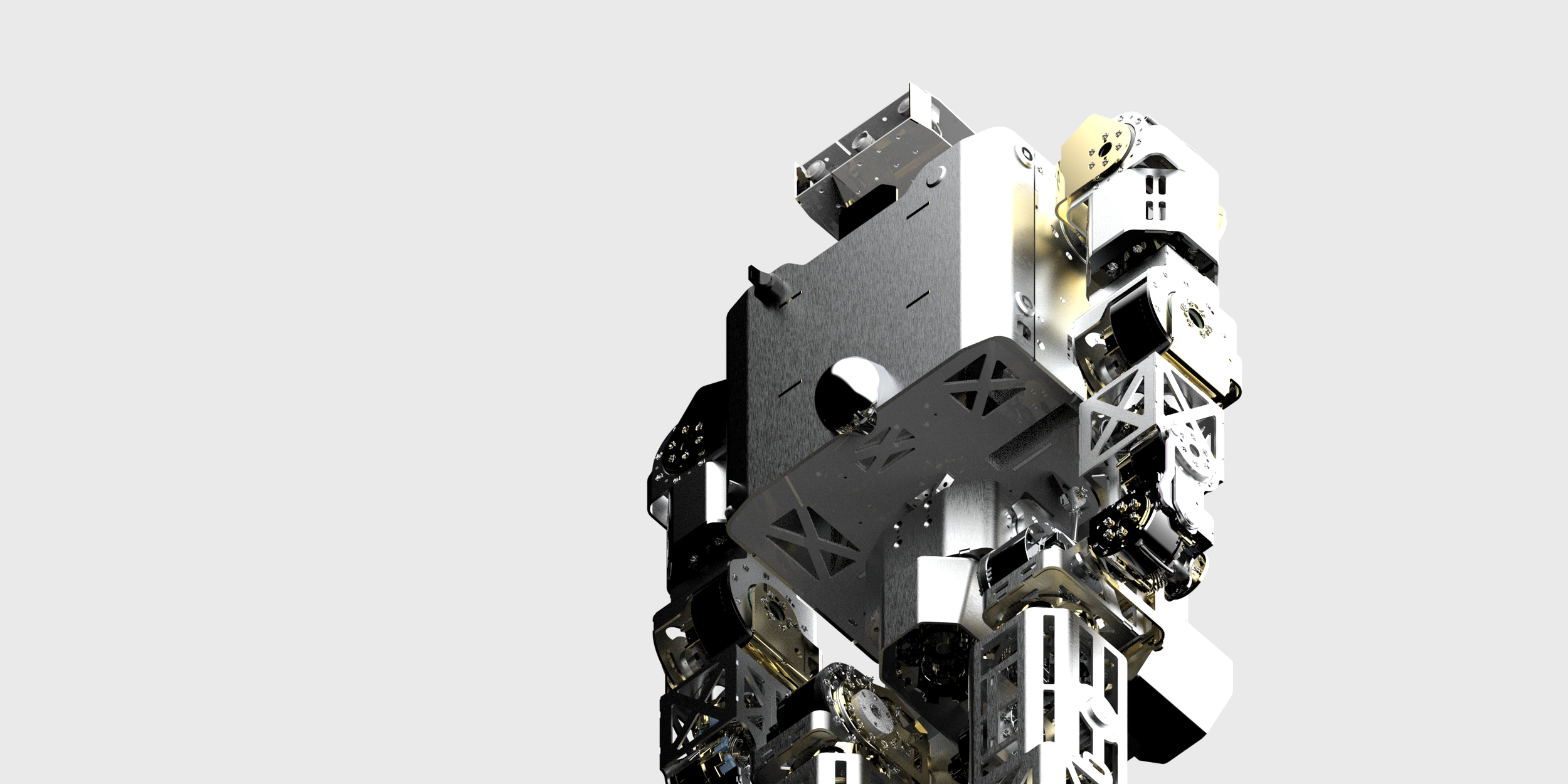
The robotics industry has spent its humanoid boom chasing warehouses and household chores; Minerva is building for the opposite end of the risk curve. Its teleoperated humanoid lets a trained operator keep full dexterity and judgment on the task, with five-fingered hands, real-time tactile feedback and safety barriers that catch human error, while standing nowhere near the danger.
The timing is what makes it investable now rather than someday. Hazardous sites are already built around the human body, so a human-shaped machine fits where drones and tracked robots don’t, and buyers in these markets will pay for safety long before the technology is fully autonomous. Win here, and the most dangerous work in the industrial economy stops requiring a person in harm’s way.
02Why Runway?
We joined a round that was, on paper, already full: an oversubscribed pre-seed led by General Catalyst. The reason we got a seat is the reason we back companies like this in the first place. We sit close to the oil and gas operators who ultimately decide whether haz-ops robots ever leave the demo floor.
That closeness also sharpened our diligence. Talking to Aker BP, Equinor and Cognite told us more than any pitch could. The true barrier is ATEX certification for explosive atmospheres, and Minerva is the rare team treating that as the product rather than an afterthought.
The founders can carry it. Sandor Felber led humanoid research at MIT CSAIL and scaled Tesla Optimus controls a hundredfold. Maurice Rahme took a Boston Dynamics robot from prototype to more than a hundred units in the field. We came in alongside General Catalyst, Credo Ventures and Long Journey.

03From investment to deployment
Our contribution is specific and it begins now. Opening the doors that move Minerva toward testing with Aker BP, into deeper work with other industrial partners, and through the certification process that gates real deployment.
The bigger picture is a shift already underway. Robots on industrial sites are graduating from watching and inspecting to actually handling the work. Sovereign robotics is becoming a European priority. And every teleoperated shift Minerva runs banks the force and tactile data that converts today’s remote control into tomorrow’s autonomy.
It is one of the most ambitious bets in physical AI we have made, and a sign of exactly where heavy industry is going next.