Norway has the technology. Now we need to build the companies
Norway is already a world leader in several areas of industrial technology. Maritime technology is one of them.
Decades of offshore and ocean activity have given us something few countries can replicate: world-class research, deep engineering expertise, sophisticated industrial customers and real infrastructure where new technology can be tested and deployed.
Some of that advantage starts long before a company exists. It starts in universities and research labs, where technologies can spend years developing before they are ready for the industrial world.
The question is how we get more of them there.
How do we turn more world-class Norwegian research into world-class industrial technology companies?
That was the starting point when NTNU and Runway brought researchers, founders, industrial leaders and investors together at Aker Tech House for a private briefing on underwater robotics and autonomous infrastructure.
Professor Asgeir Sørensen from NTNU Department of Marine Technology set the scene, before we heard from Thomas Nygård, CEO of Eelume, Ole Andreas Alsos and Alexey Gusev from NTNU Shore Control Lab, and Kristian Romen, CFO of Saro Robotics. Different technologies and different stages of development, but all part of the same bigger question.
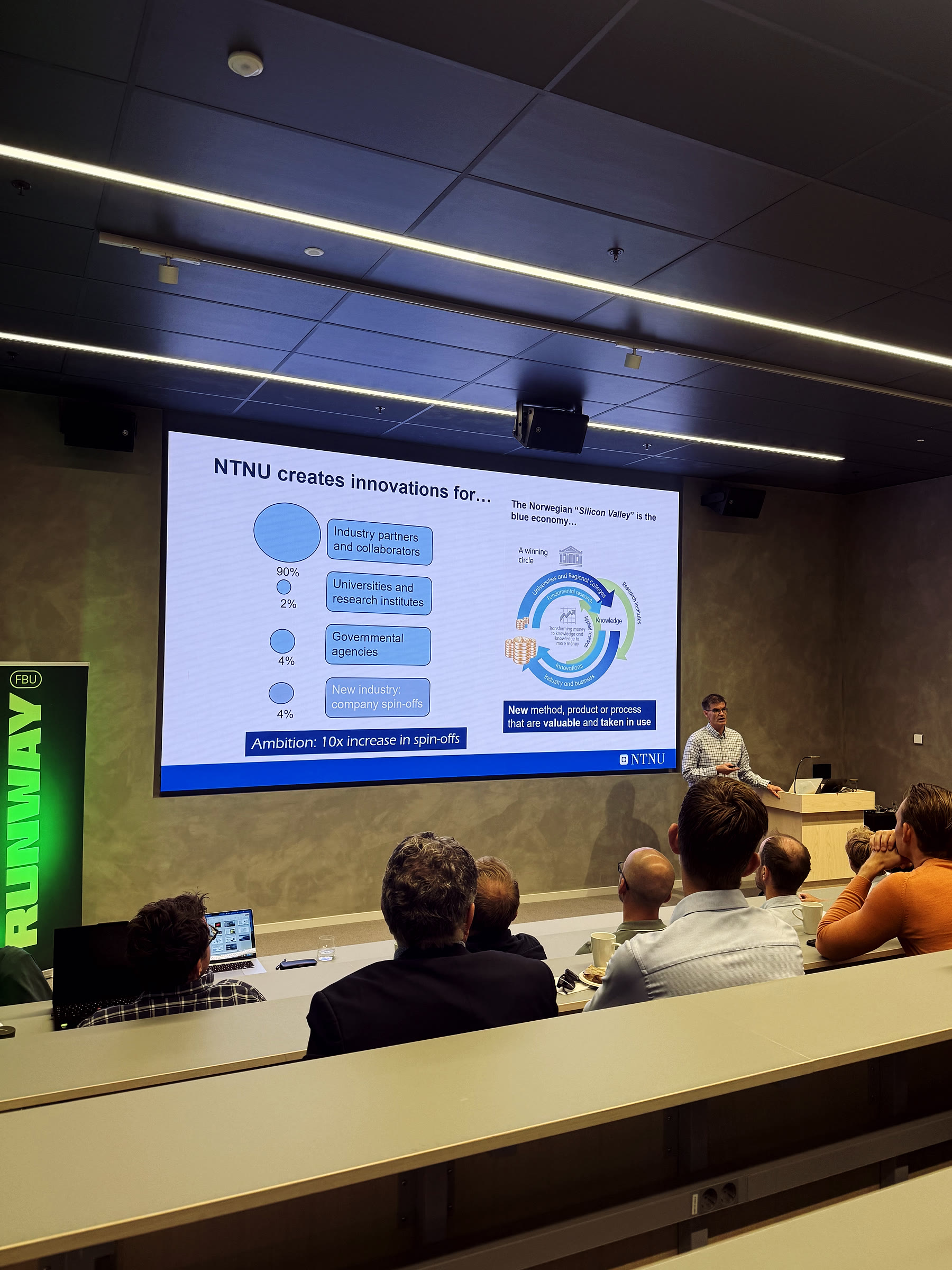
Asgeir Sørensen has spent decades at the intersection of marine technology, research and industry. His message was optimistic about Norway’s position, but also clear about the challenge ahead.
Norway has built exceptional capabilities in marine and industrial technology. NTNU works extensively with existing industry and educates a significant share of the engineers who go on to build and operate Norwegian industry.
At the same time, emerging technologies are developing quickly. Autonomous systems, AI, sensing and other technologies are opening entirely new industrial opportunities, while global competition to commercialize them is accelerating. Norway cannot assume that great research will automatically translate into great companies.
Asgeir’s message was that we need to speed up. The good position Norway has built over decades should be used to create the capabilities and companies we will need for the next ones.
And underwater robotics is a pretty good place to see what that can look like.
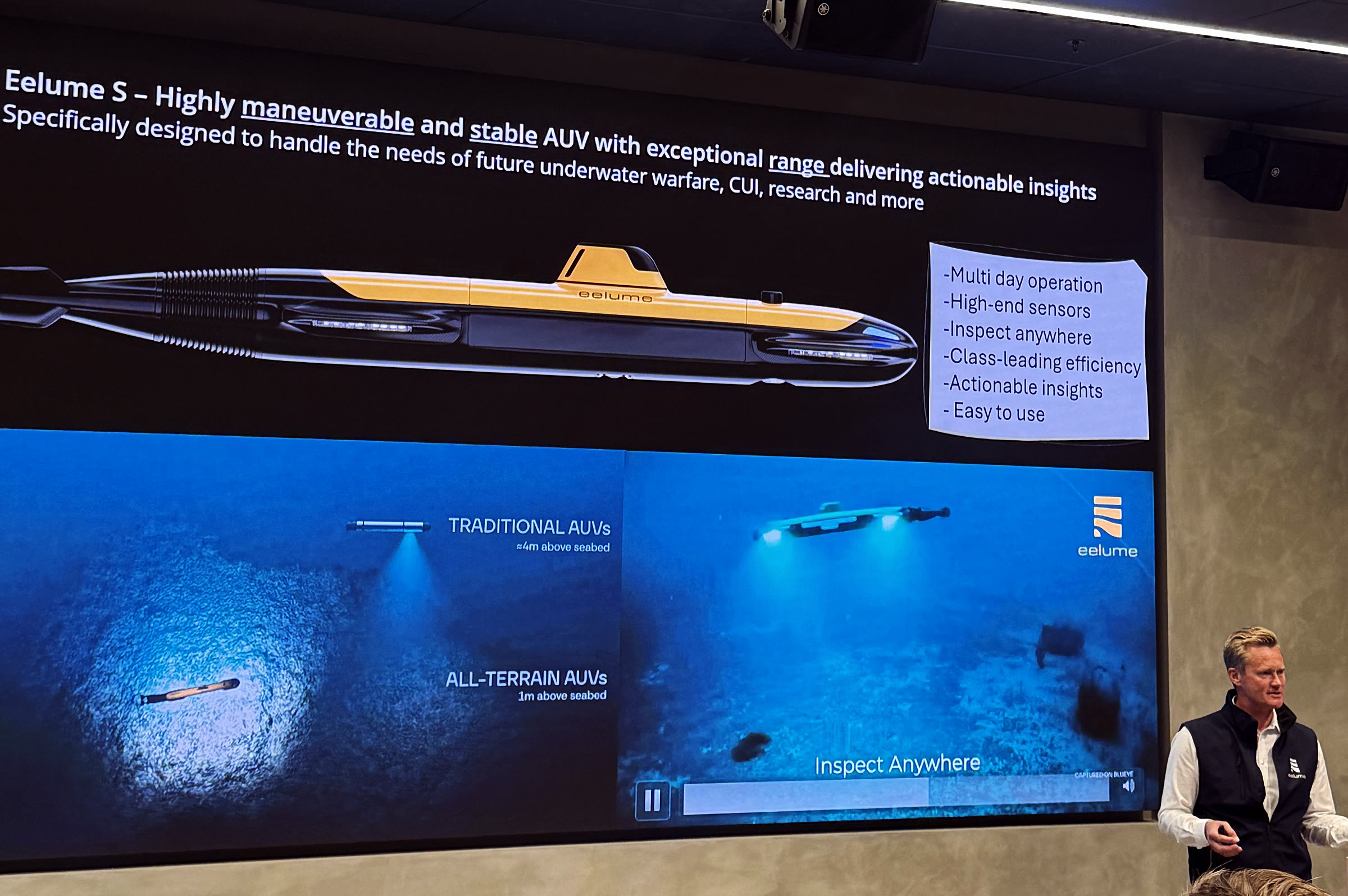
Eelume is already well into that journey.
CEO Thomas Nygård shared how technology originating from research has developed into autonomous underwater robots designed for industrial operations. The opportunity is significant. Offshore infrastructure needs to be inspected and maintained throughout its lifetime, often in environments that are expensive and difficult for humans to access.
Autonomous underwater systems can change how that work is done, moving robots closer to the infrastructure and allowing inspection and intervention to become a more integrated part of operations.
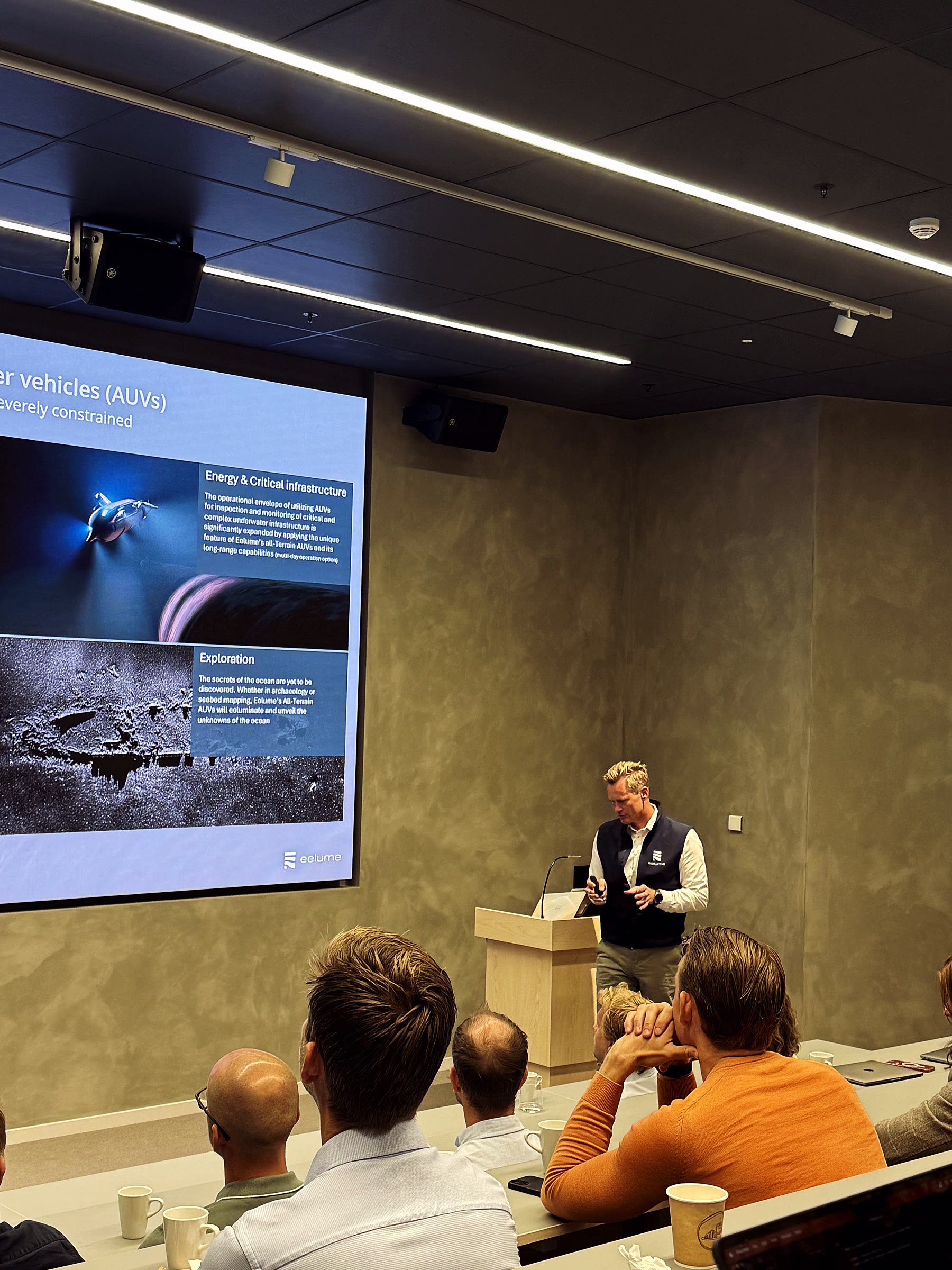
The interesting technology is only the beginning. The real value emerges when years of engineering become something industry can actually deploy.
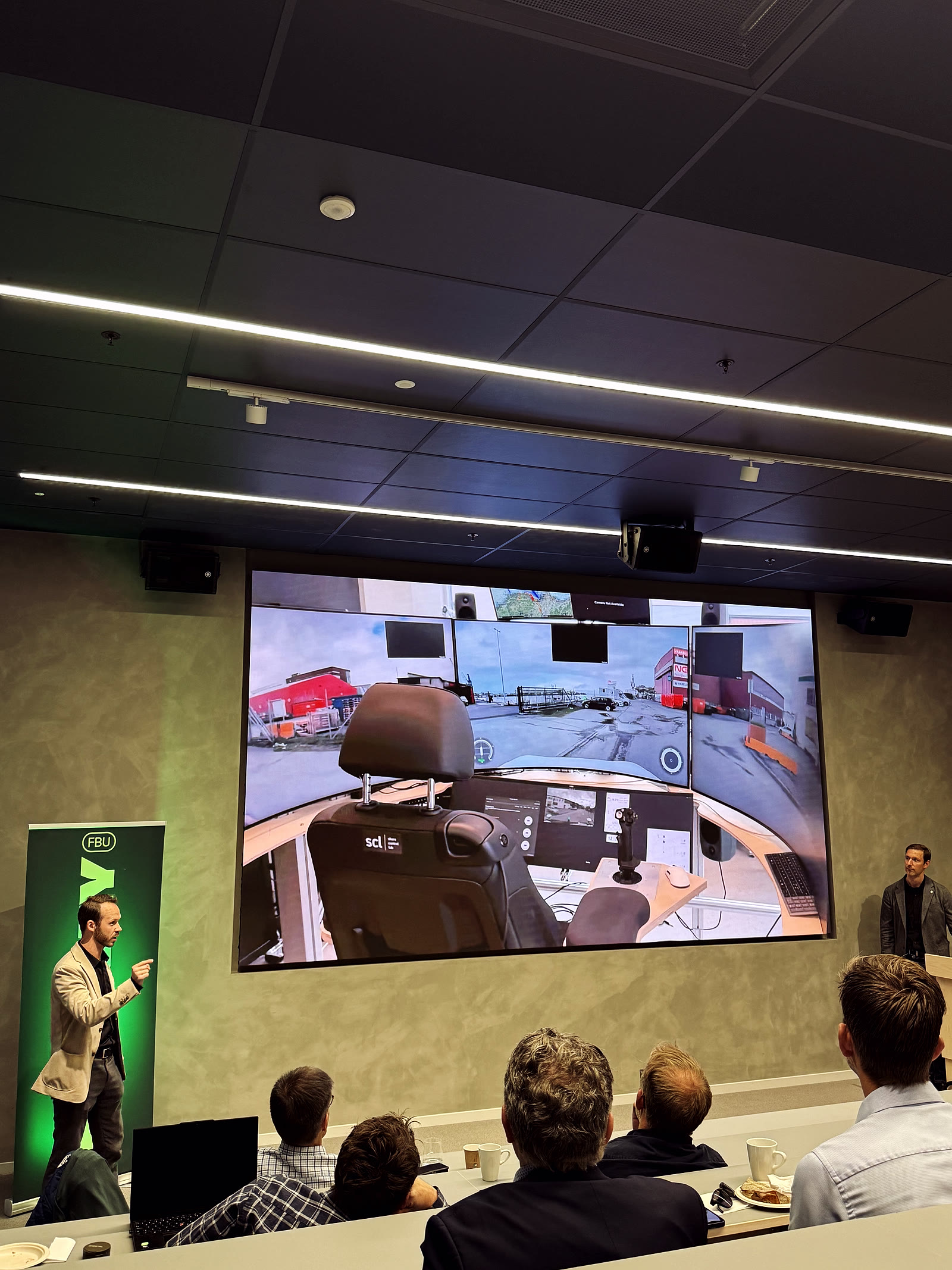
Ole Andreas Alsos and Alexey Gusev from NTNU Shore Control Lab introduced Gateway 4C, a project exploring human-machine interaction and remote operation of maritime assets.
As maritime systems become increasingly autonomous, the question is not simply what machines can do by themselves. It is also how humans interact with them.
How do you give an operator the information they need? How do you create a sense of presence when the asset may be far away or beneath the ocean? And how should we design the interaction between increasingly capable autonomous systems and the people responsible for them? It is another piece of the infrastructure required for a more autonomous maritime industry.
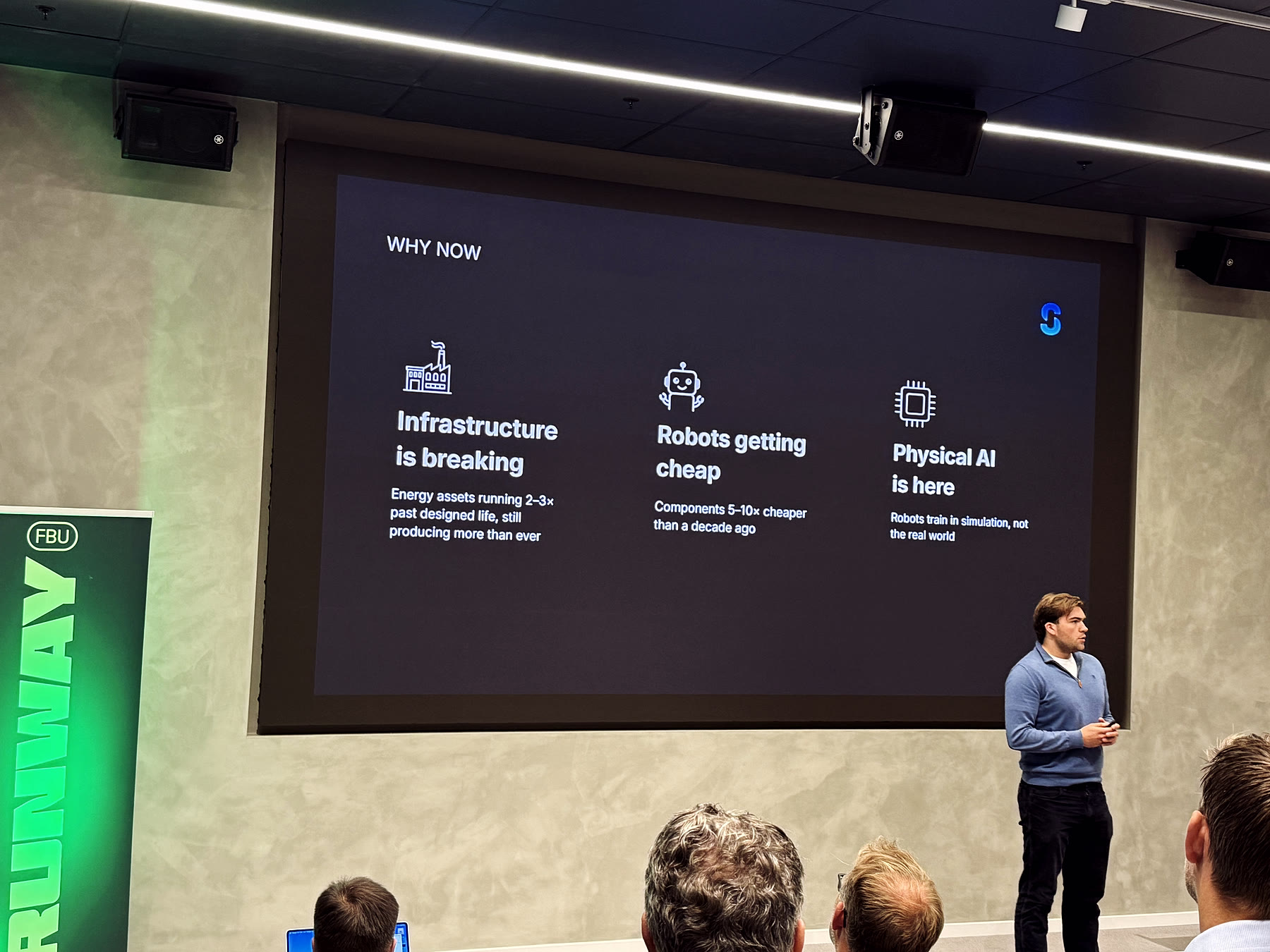
Then there is Saro Robotics.
The NTNU spinout came through RunwayFBU’s Industrial AI and Robotics Lab here at Aker Tech House, part of the first cohort and one of 15 companies taken in to work closer to industry. CFO Kristian Romen showed how the team is applying robotics to a very tangible industrial problem: pipe inspection.
Today, inspecting difficult-to-reach pipes can require extensive scaffolding, people working at height and significant cost simply to gain access. Saro is building autonomous climbing robots designed to reach and inspect that infrastructure differently.
Through the Lab, the team is already connected with Aker BP, bringing an early-stage robotics company closer to the industrial environments and expertise its technology ultimately needs to serve. And that connection is important.
One of the most interesting themes of the morning was that universities cannot, and should not, do all of this alone.
Research environments can identify promising technology, develop IP, support patenting and licensing, and help projects take their first steps towards becoming companies. But knowing whether something can become a great industrial company requires input from outside the university too.
Researchers and founders need early feedback from industry on the problems that actually matter. They need access to environments where technologies can be tested against industrial reality. And they need investors who understand what it takes to move from promising research to a company capable of scaling.
As the NTNU team put it during the session, the university is the first step. To make that step as effective as possible, they need industry and investors to engage early and provide feedback on what it takes to become commercially and investor ready.
Norway already has many of the ingredients required to build globally important industrial technology companies. Our universities have world-class research and technical talent. Our industrial companies have real problems to solve, infrastructure to test on, sophisticated domain expertise and the potential to become early customers. Founders bring the ambition and persistence required to turn technology into companies. And venture capital can contribute commercial experience, networks and the capital required to move from an early technology to a scalable business.
The opportunity is to connect those environments earlier and more often.
For us at RunwayVC, that is also why working closely with research environments like NTNU matters. We want more promising technology to meet industry while it is still being shaped. More researchers to understand what it takes to build a company. More founders to get access to industrial customers and expertise. And more investors to understand the technologies coming out of Norway’s research environments before they become obvious opportunities.
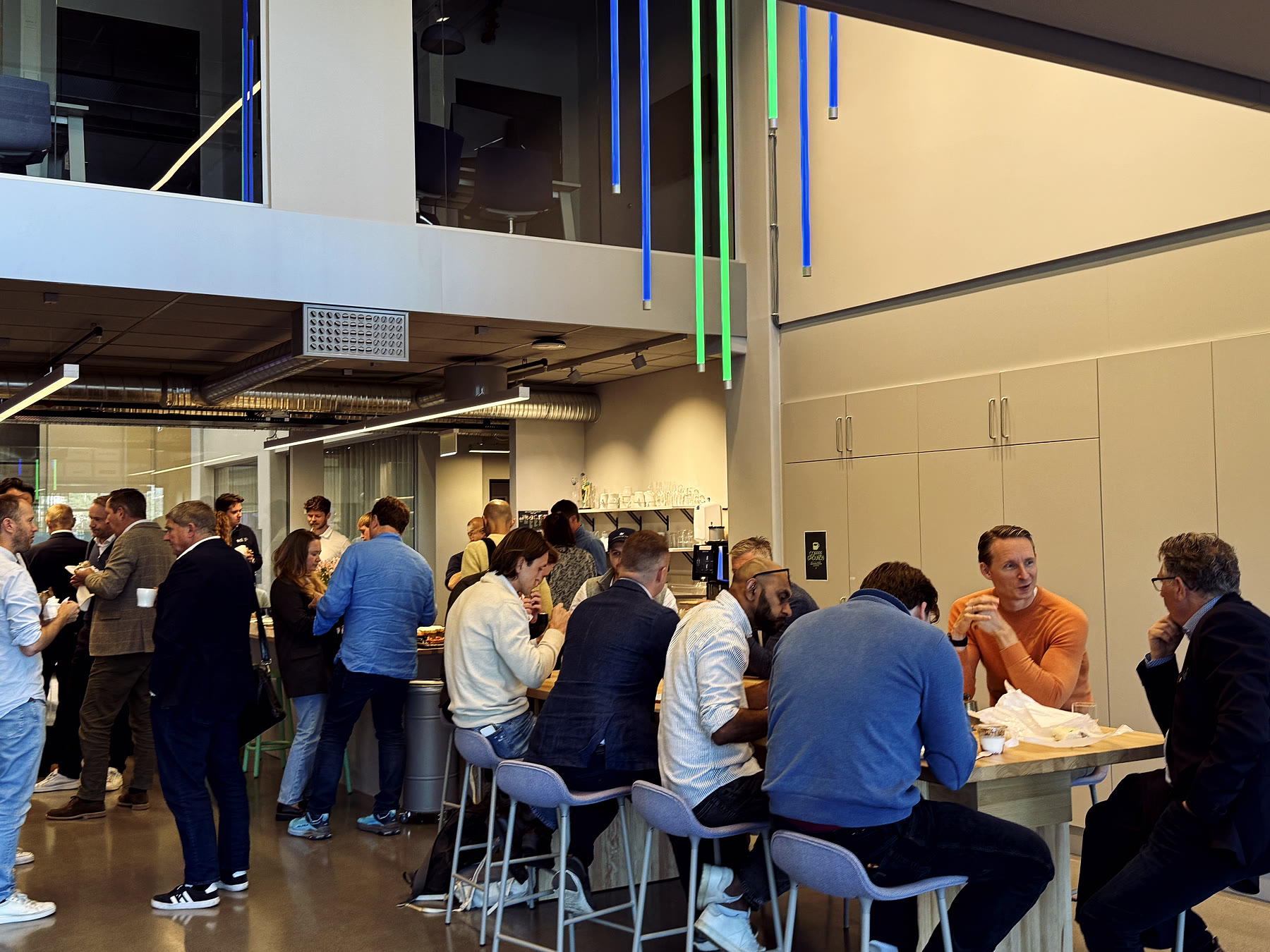
After the presentations, researchers, founders, industrial leaders and investors continued the conversation over lunch in RunwayFBU’s Tech Hub. Research on one side of the table. Industry and capital on the other. Exactly the connections we need more of.
Norway already has much of the technology. The opportunity now is to build the companies.