InvestmentAirHub
AirHub: the orchestration layer for an autonomous world
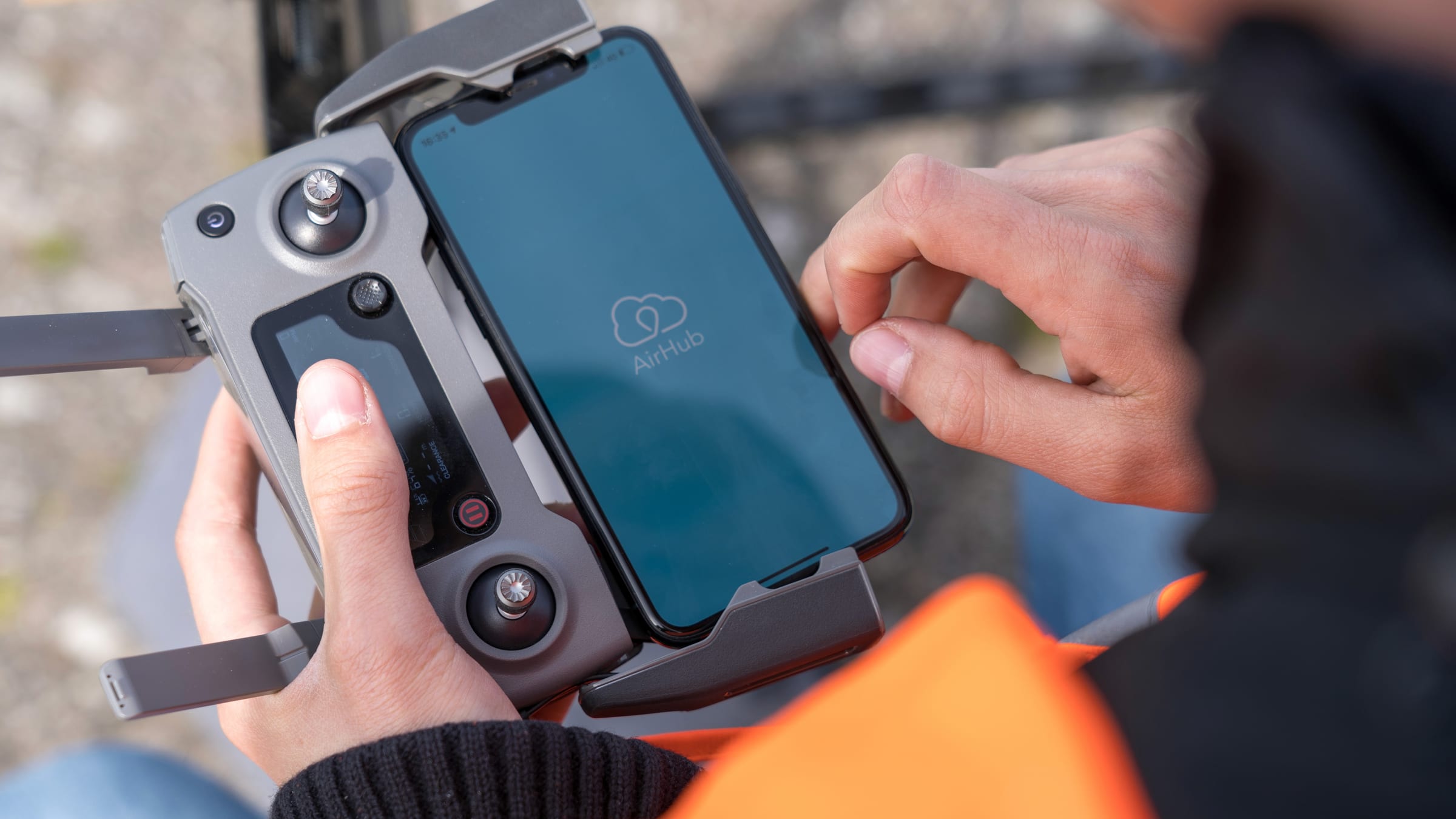
When people imagine the future of robotics, attention goes to the machines.
We invested in AirHub because we believe the next wave of robotics will create a new software problem: how do you coordinate, control and connect growing fleets of autonomous machines? AirHub is solving that problem today, starting with drones.
The drone inspecting an offshore installation. The autonomous vehicle moving material across an industrial site. The robot patrolling a perimeter. The machine navigating a warehouse without a driver. But as these machines become more capable and more numerous, the challenge begins to move elsewhere.
Who tells them what to do? How are missions coordinated? Where does their data go? How does an operator manage tens or hundreds of autonomous assets rather than one?
That is the orchestration problem. And it is one of the reasons we invested in AirHub.
01The robot is only one part of the system
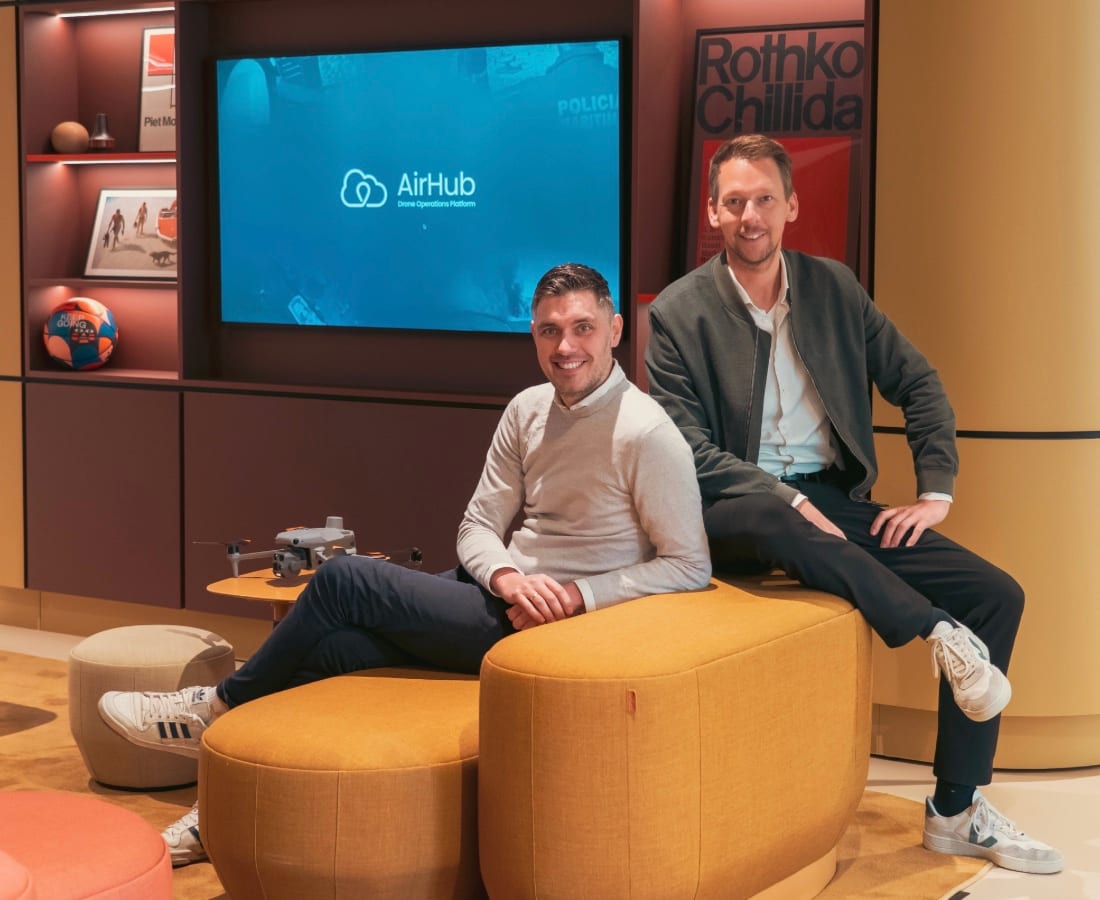
In April 2026, RunwayVC participated in AirHub’s €4.4 million Series A, alongside Keen Venture Partners, Lumaux and LUMO Labs.
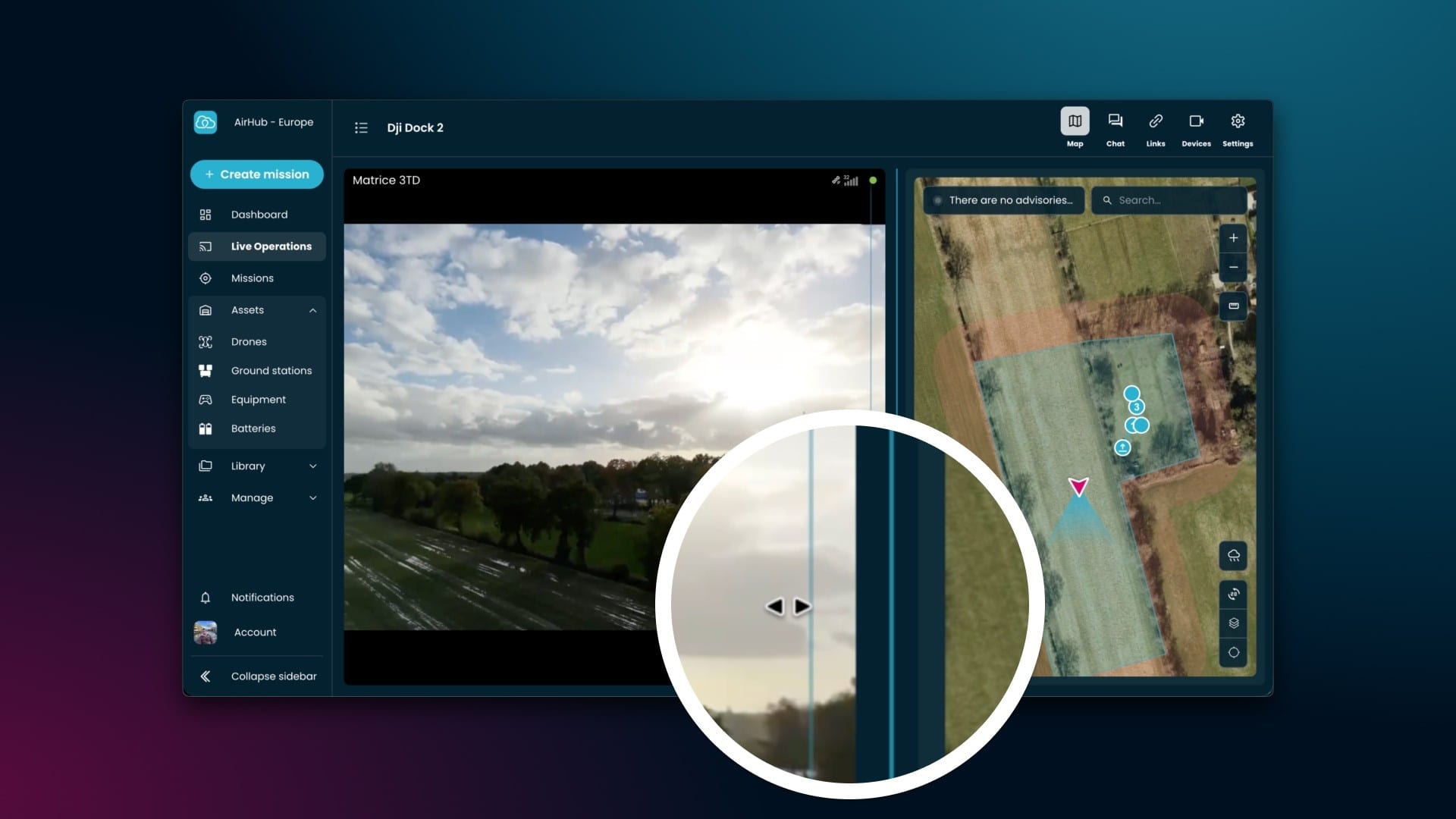
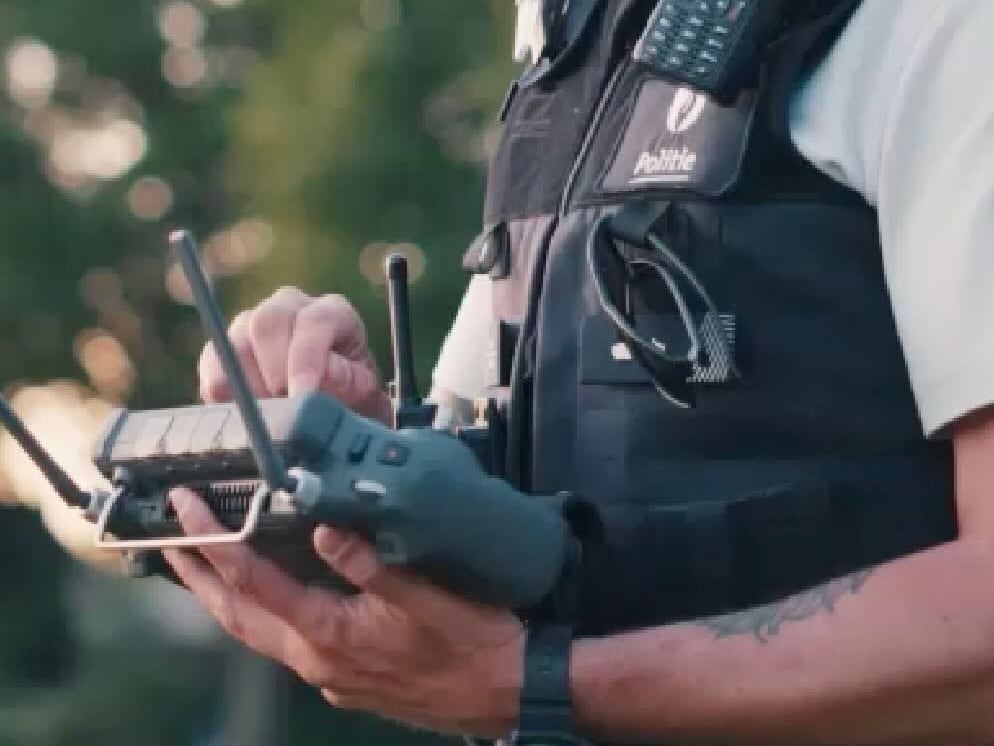
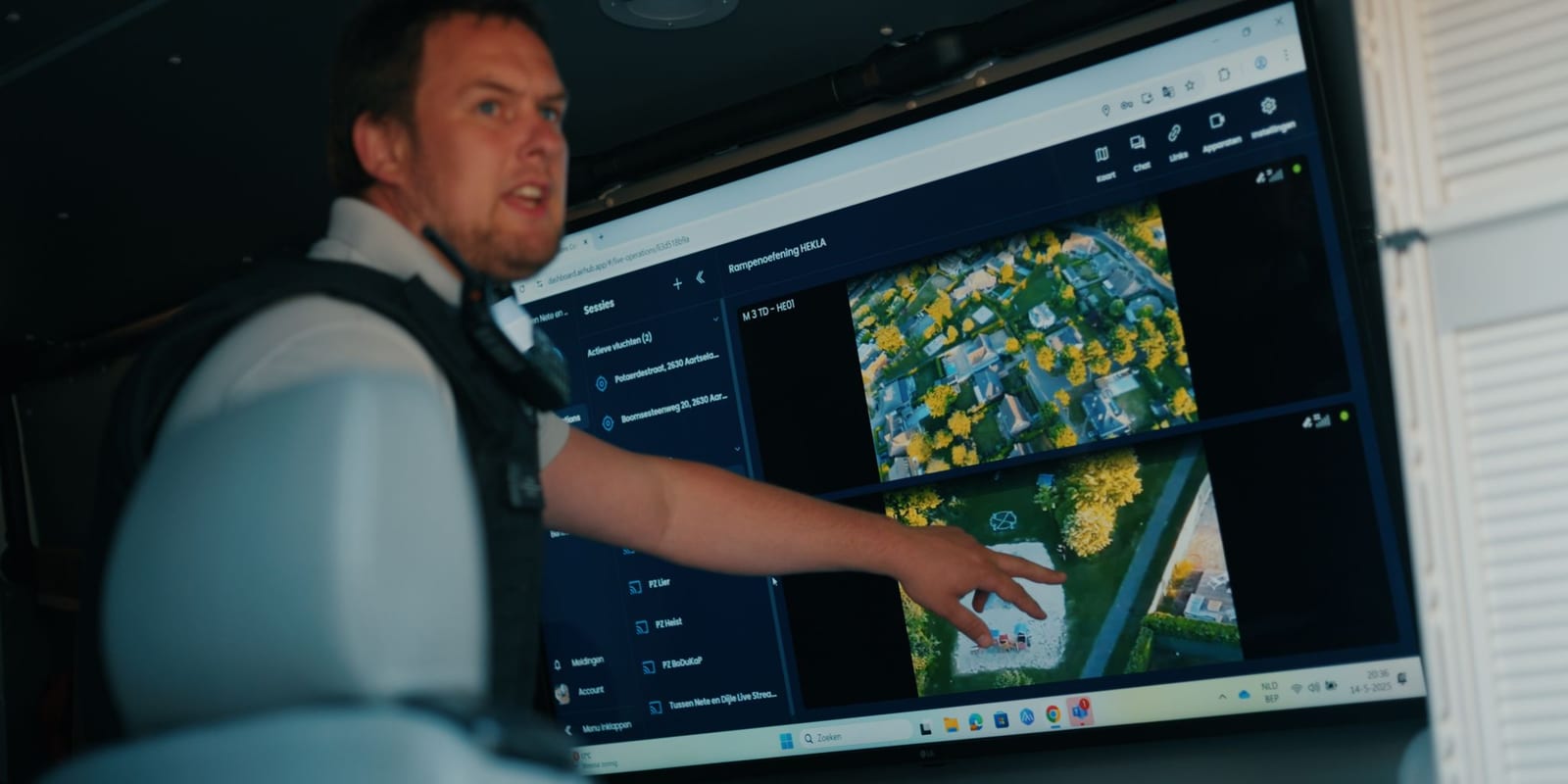
AirHub today is primarily a drone operations software company. Its Drone Operations Center helps organizations plan and execute missions, manage fleets, monitor live video, handle compliance and reporting, and connect drone operations into wider operational workflows.
That matters because there is a big difference between owning drones and making them part of daily operations.
AirHub’s software is already used by organizations including Dubai Police, the Belgian Federal Police, Portuguese Bombeiros, Dutch Customs, Shell, Boskalis, Prosegur, Securitas and ProRail. The applications range from emergency response and security to infrastructure inspection and operational coordination.
These are not environments where technology gets much room for error. That is part of what attracted us.
02From flying a drone to orchestrating an operation
Consider what happens when an organization moves from experimenting with one drone to operating many drones across multiple locations.
Suddenly, it needs to know which assets are available. Which mission each should perform. Whether conditions are safe. What regulations apply. Who has control. Where live feeds should go. How data is stored. What should happen when another system detects an event. And when a human needs to intervene.
The complexity does not grow linearly with the number of machines. It multiplies.
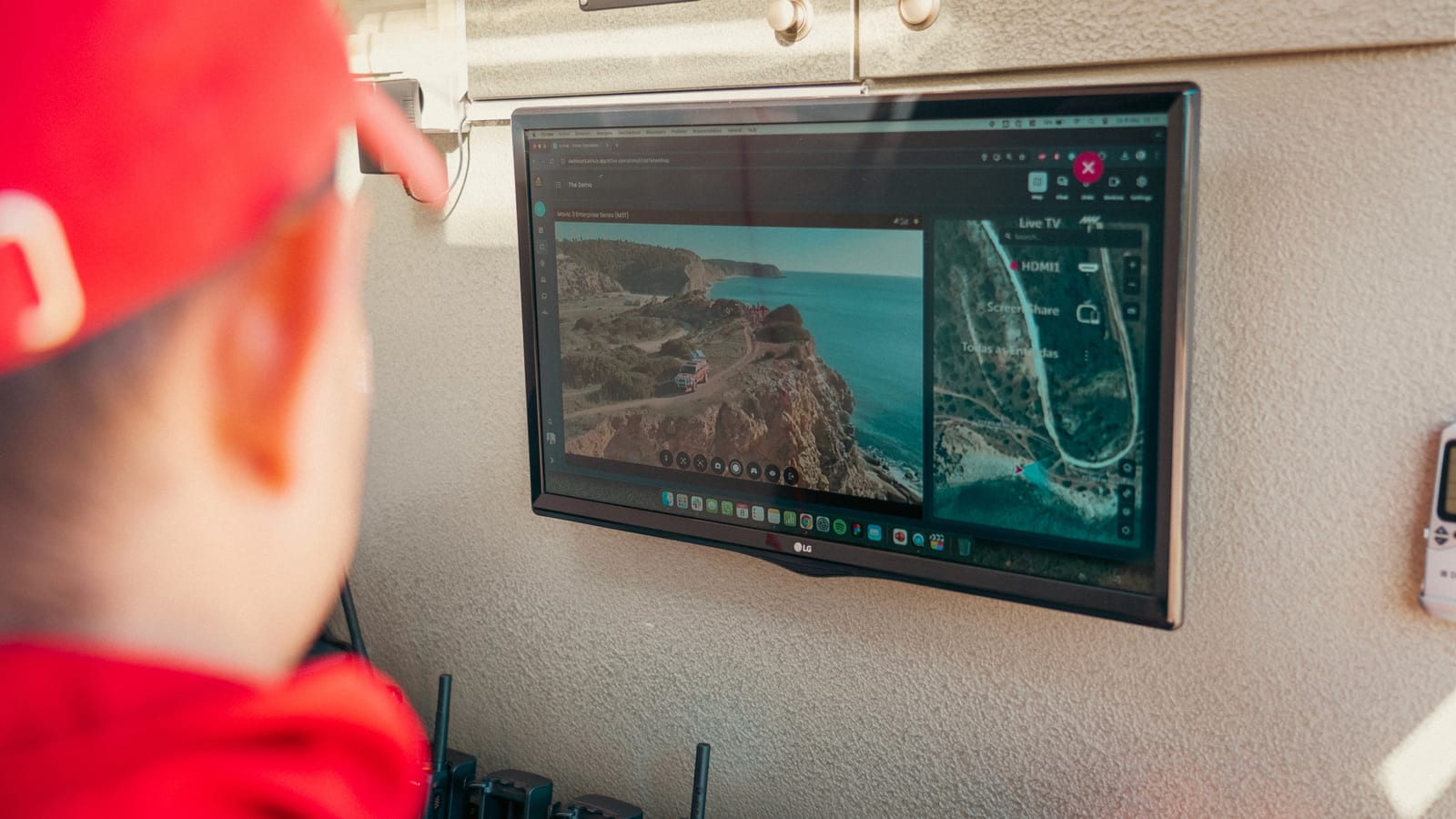
A good example is AirHub’s work around Drone as First Responder. When an emergency event is triggered, the system can identify the location, select an available drone, assess operational conditions, initiate the mission and provide live information back to the command environment.
The value is not simply that a drone flies. The workflow from event to response is being orchestrated.
That distinction becomes increasingly important as autonomy moves from isolated pilots into real-world operations.
03Why drones are a powerful place to start
We like companies that enter large markets through problems customers already need solved. Drones provide exactly that opportunity.
They are becoming operational tools across public safety, security, defense and critical infrastructure. At the same time, these are environments where coordination, reliability, regulation, cybersecurity and control are non-negotiable.
If software can support autonomous operations under those conditions, it is being tested against a very high bar.
AirHub has therefore built much more than a simple fleet-management interface. Its platform brings together mission planning, live operations, workflows, compliance, data and situational awareness in one operational environment.
And the architecture is beginning to expand. Through MilHub, AirHub is building toward orchestration of multiple robotic assets across air, land and, over time, sea.
That is where the longer-term opportunity becomes particularly interesting to us.
04First the machine. Then the fleet. Then orchestration.
We believe industrial robotics will evolve through several layers.
The first wave is about making individual machines more capable. Better perception. Better navigation. Better AI. More autonomy.
The next challenge is what happens when organizations deploy those machines at scale.
A factory will not have one robot. A port will not have one autonomous vehicle. An energy company will not operate one drone.
They will operate fleets of heterogeneous systems, from different manufacturers, performing different tasks and increasingly making decisions autonomously.
And that creates a new software layer. Someone has to assign work. Coordinate missions. Combine data. Maintain operational control. Connect machines with enterprise systems. Decide when humans need to intervene.

05Start narrow. Earn the right to expand.
AirHub is building toward that layer from a strong starting point in drones.
It is not yet a universal control system for every robot in an industrial environment. Nor does it need to be. In fact, we think the focus on drones is an advantage.
The company is solving a real, valuable problem in a market that exists today. It is building relationships with demanding operators. It is learning how autonomous systems behave in operational environments. And it can expand the platform as customer needs expand.
That is generally a much stronger path than starting with a theoretical platform and searching for a use case afterward.
We are also beginning to see that potential in industrial environments. AirHub is working with Aker Solutions across several potential applications, with teams exploring how fleet-management software can support increasingly complex unmanned operations. Through RunwayVC, we are also helping connect AirHub with relevant industrial technology environments and data platforms.
The interesting part is not whether every future autonomous machine will run through AirHub. The interesting part is that companies will increasingly need something like it.
06Autonomy needs infrastructure
Much of the robotics conversation today is understandably focused on intelligence. Can the machine see? Can it navigate? Can it make decisions? Can it perform useful work without a human standing beside it?
Those capabilities are advancing quickly. But the more autonomous machines we deploy, the more important the infrastructure around them becomes.
A world with millions of intelligent machines also needs software that allows those machines to operate safely, securely and productively as part of larger systems. That creates an entirely new technology stack around robotics.
AirHub is building one part of that stack. Today, the company helps organizations operate drones in some of the world’s most demanding environments. Tomorrow, we believe the opportunity is broader: helping organizations orchestrate the autonomous machines that increasingly operate the physical world.
That is why we invested.