Field noteIndustrial AI
Why industrial AI is finally a venture-scale market
Industrial AI has never had a use-case problem. It has had a deployment problem.
For years, the opportunity has been obvious. Factories want higher uptime. Energy companies want safer operations. Heavy machinery should increasingly operate autonomously. Critical infrastructure needs better monitoring. Engineers should spend less time interpreting fragmented data and more time making decisions.
The problems are large, expensive and very real. What has been much harder is building technology companies that can solve those problems repeatedly, deploy across customers and geographies, and scale at the pace venture capital requires.
Industrial technology has historically come with long sales cycles, fragmented data, complex integrations, hardware dependencies and customers that are rightly reluctant to put unproven technology into critical operations.
That is why I think the important question today is not whether AI will transform industry. It is what has changed to make industrial AI venture-scale now? Quite a lot.
01The technology stack is finally coming together
The change is not one breakthrough. It is the convergence of several.
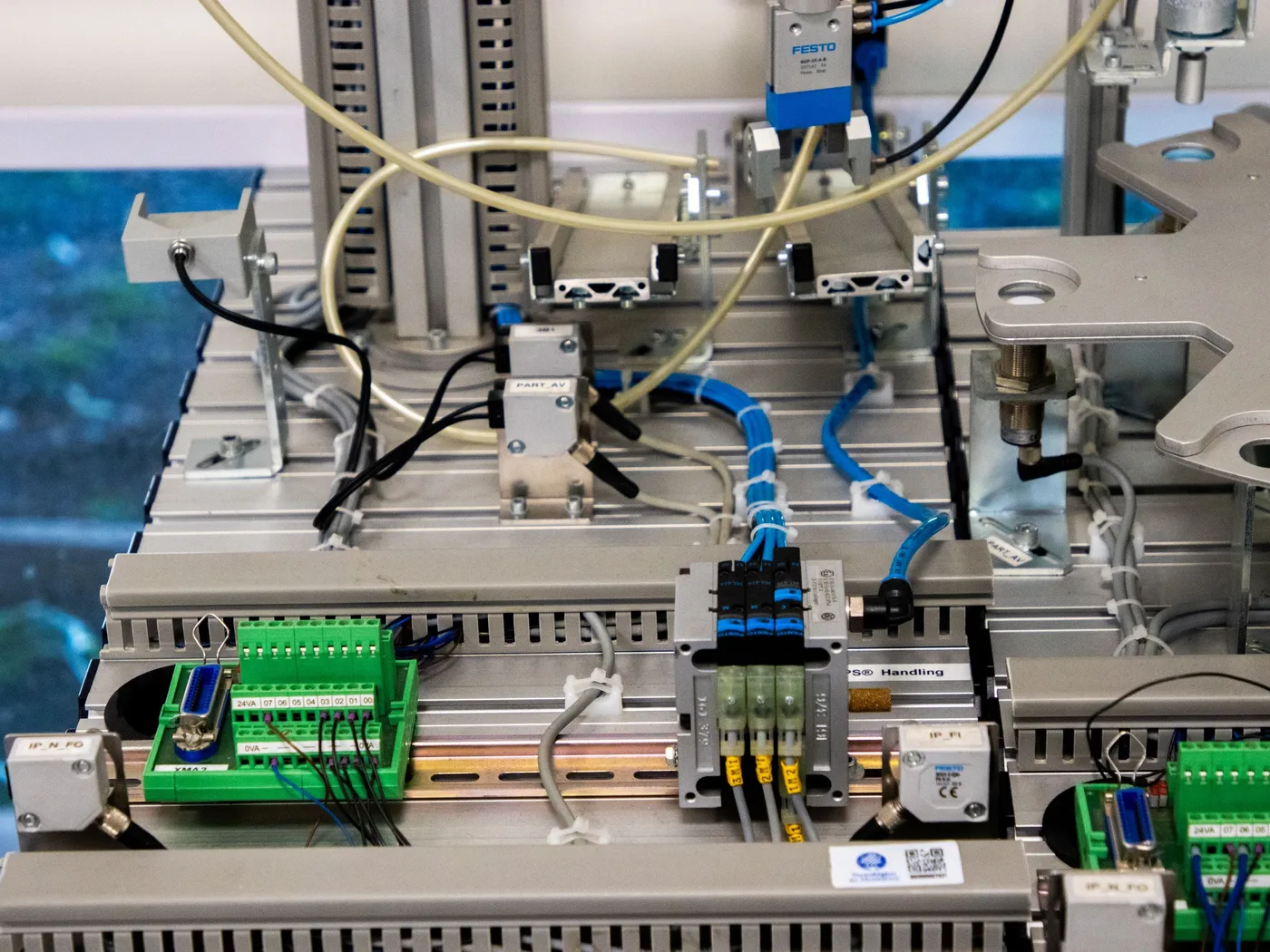
Industrial assets are more connected. Sensors are cheaper and better. Compute has moved closer to the edge. AI models have become dramatically more capable. Simulation is improving. Robotics is becoming more flexible. Software is moving deeper into operational technology.
Individually, none of these trends is new. Together, they change what can be built.
We are moving from industrial systems that simply collect data towards systems that can understand what is happening, recommend what should happen next and increasingly take action themselves.
Robotics shows how far the underlying market has already moved. More than 540,000 industrial robots were installed globally in 2024, more than twice the annual number a decade earlier. Annual installations have now remained above half a million for four consecutive years. The figures come from the IFR World Robotics report.
The next step is not simply more robots. It is more intelligence in the machines, assets and systems industry already operates.
02AI is moving from insight to action
The first generation of industrial analytics was largely about visibility. Connect the machine. Collect the data. Build the dashboard. Detect the anomaly.
That was valuable, but ultimately a human still had to interpret the information and decide what to do.
Industrial AI is moving beyond that. Software can increasingly interpret operational data, understand context, recommend decisions, coordinate workflows and eventually trigger actions across industrial systems.
This is where I think some of the most interesting companies will be built. Not another dashboard sitting above industry, but intelligence embedded closer to the asset, control system and operational workflow.
03The installed base may matter more than the greenfield
There is a natural tendency when talking about AI and robotics to imagine entirely new factories filled with entirely new machines. That will happen.
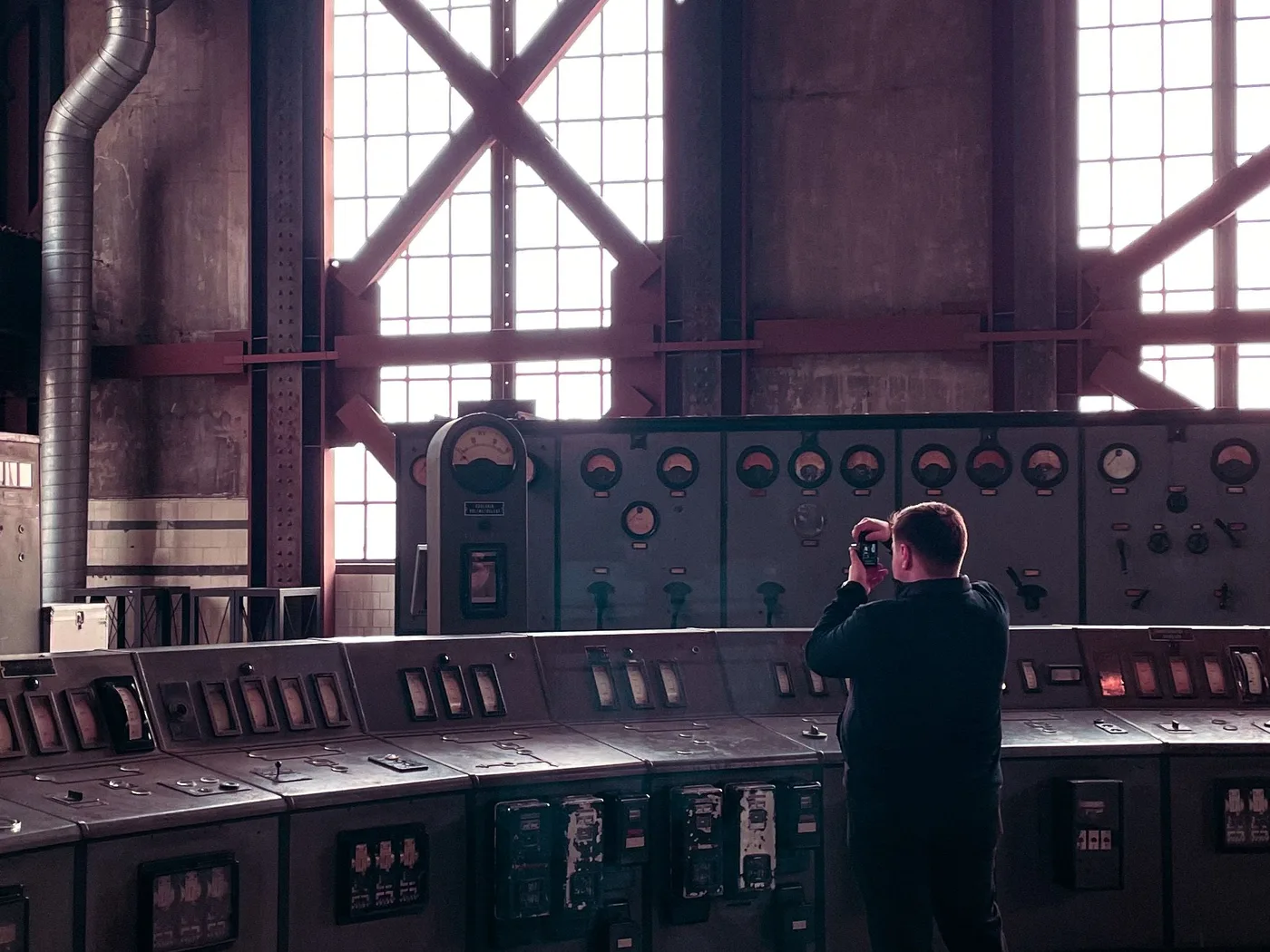
But there is another opportunity that may be even larger: making the enormous installed base of existing industrial equipment smarter.
Industry does not replace billions of euros of machinery every time a better algorithm appears. It upgrades. That creates opportunities for companies building software-defined control, sensing, machine intelligence, autonomous operation and orchestration layers that can sit on top of assets already in the field.
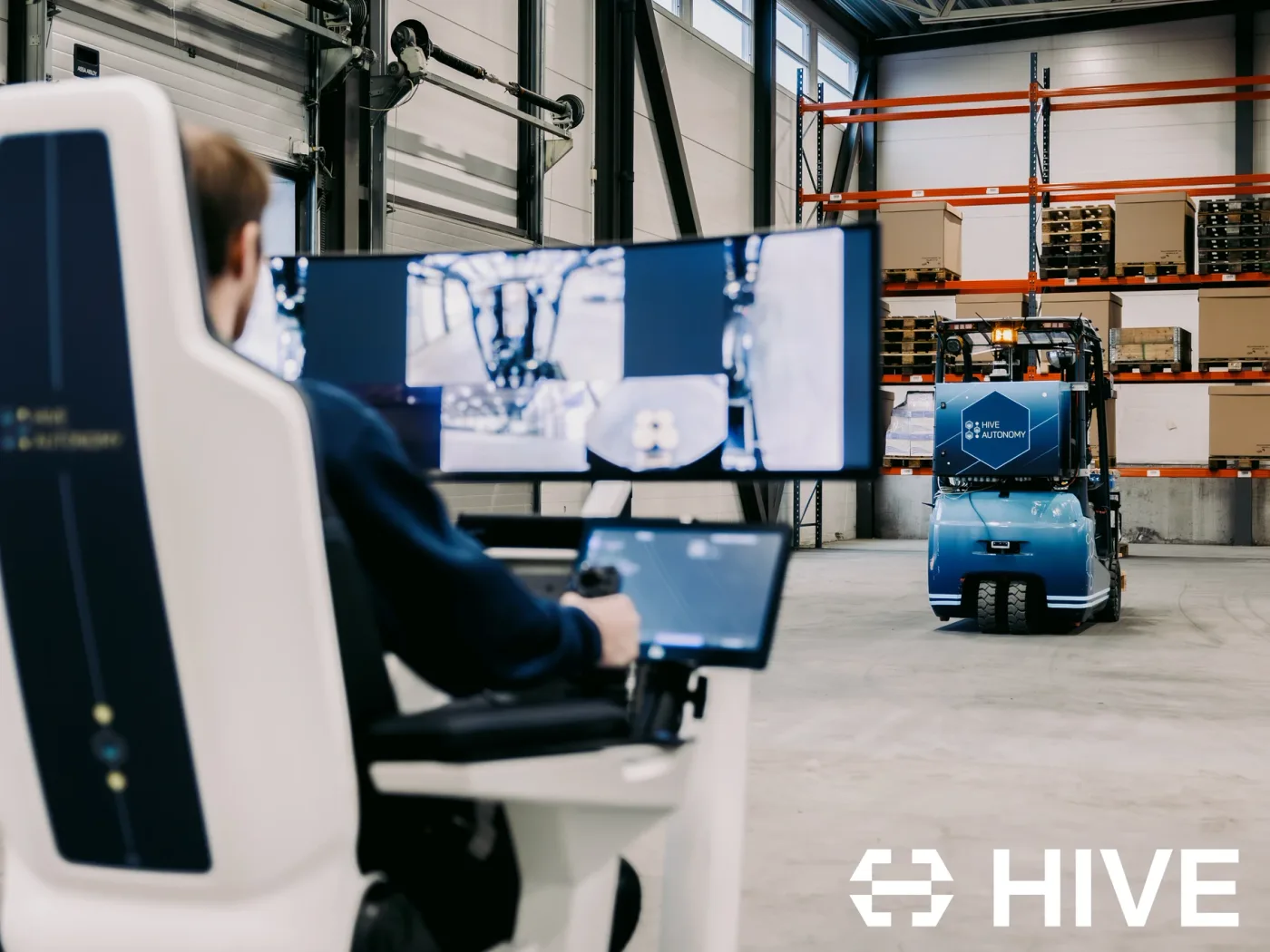
Our investment in HIVE Autonomy is one example of how we think about this. HIVE is not asking industrial companies to replace their existing heavy machinery. It is building technology that can make those machines autonomous.
That distinction matters. The fastest route to industrial AI adoption will often be through technology that works with the industrial base already in place.
04Robotics is becoming increasingly software-shaped
Physical AI is attracting a lot of attention right now. Some of that will inevitably be hype. But the underlying change is real.
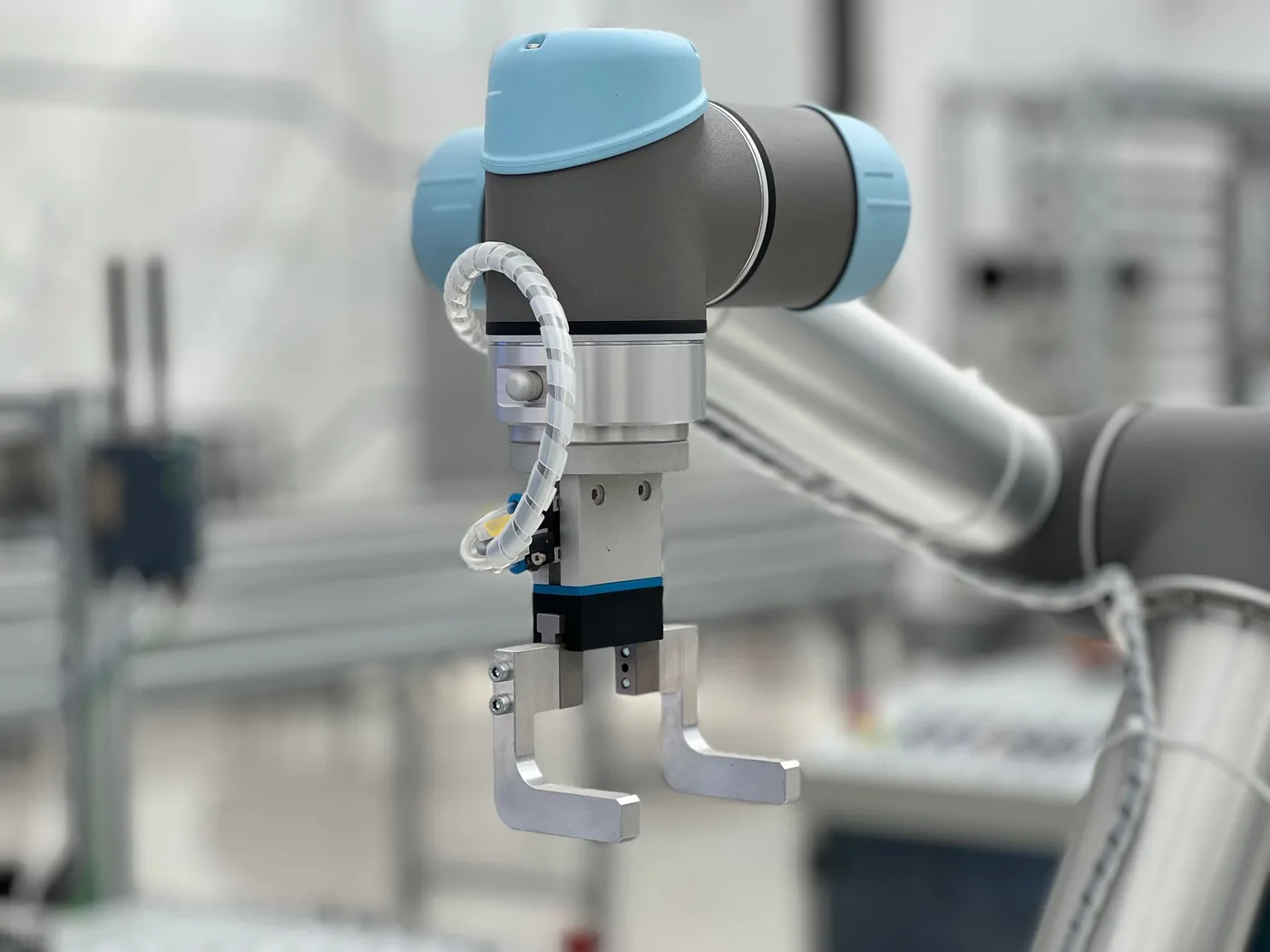
Historically, improving a robot often meant engineering a better machine for a narrow and carefully controlled task. Increasingly, capability comes from the software layer: perception, models, simulation, planning, control, learning and the data generated from operating in the real world.
McKinsey recently described physical AI as the next frontier of AI, with much of its potential economic value expected in manufacturing and logistics. Humanoids are the most visible example, but they are only one part of the opportunity.
At RunwayVC, we see the stack much more broadly. A robot needs to perceive its environment. It needs reliable sensing. Machines need connectivity. Industrial data needs context. Software needs to make decisions. Control systems need to execute them safely.
That is why companies such as Sonair in sensing, OTee in software-defined industrial automation, and our new Fund II investments HIVE Autonomy and Minerva Humanoids all fit into the same broader thesis.
They attack different layers of the problem. The direction of travel is the same: intelligence is moving into physical industry.
05Industrial adoption has changed too
Better technology alone would not make this venture-scale. The customer side has changed as well.
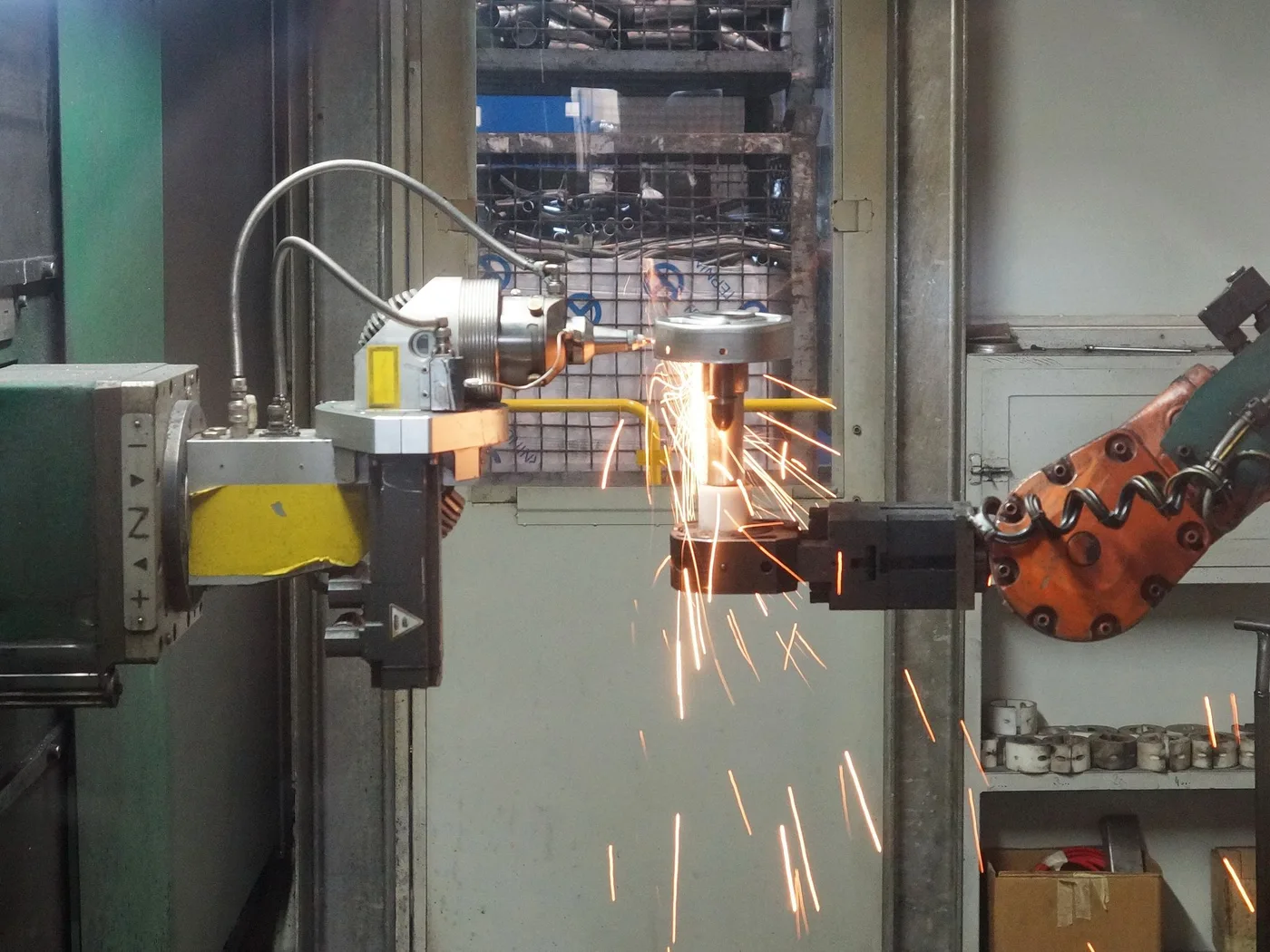
Industrial companies face pressure to increase productivity, address workforce constraints, improve safety, reduce downtime, become more energy efficient and build more resilient operations. Automation is increasingly moving from something that is nice to have to something strategically necessary.
That changes willingness to test new technology. It does not mean industrial sales suddenly become easy. They should not. If your software can stop a production line, control a machine or influence a safety-critical decision, customers should demand evidence that it works.
But this difficulty can become an advantage for the right startup. A technology company that successfully proves itself in a demanding industrial environment builds more than revenue. It builds trust, operational data, references and knowledge that are difficult for the next competitor to replicate.
06Venture-scale begins when deployment becomes repeatable
This is the critical point. A large industrial market does not automatically create a venture-scale software company.
If every deployment requires a new consulting project, a new integration architecture and twelve months of custom engineering, the underlying market can be enormous while the company remains difficult to scale.
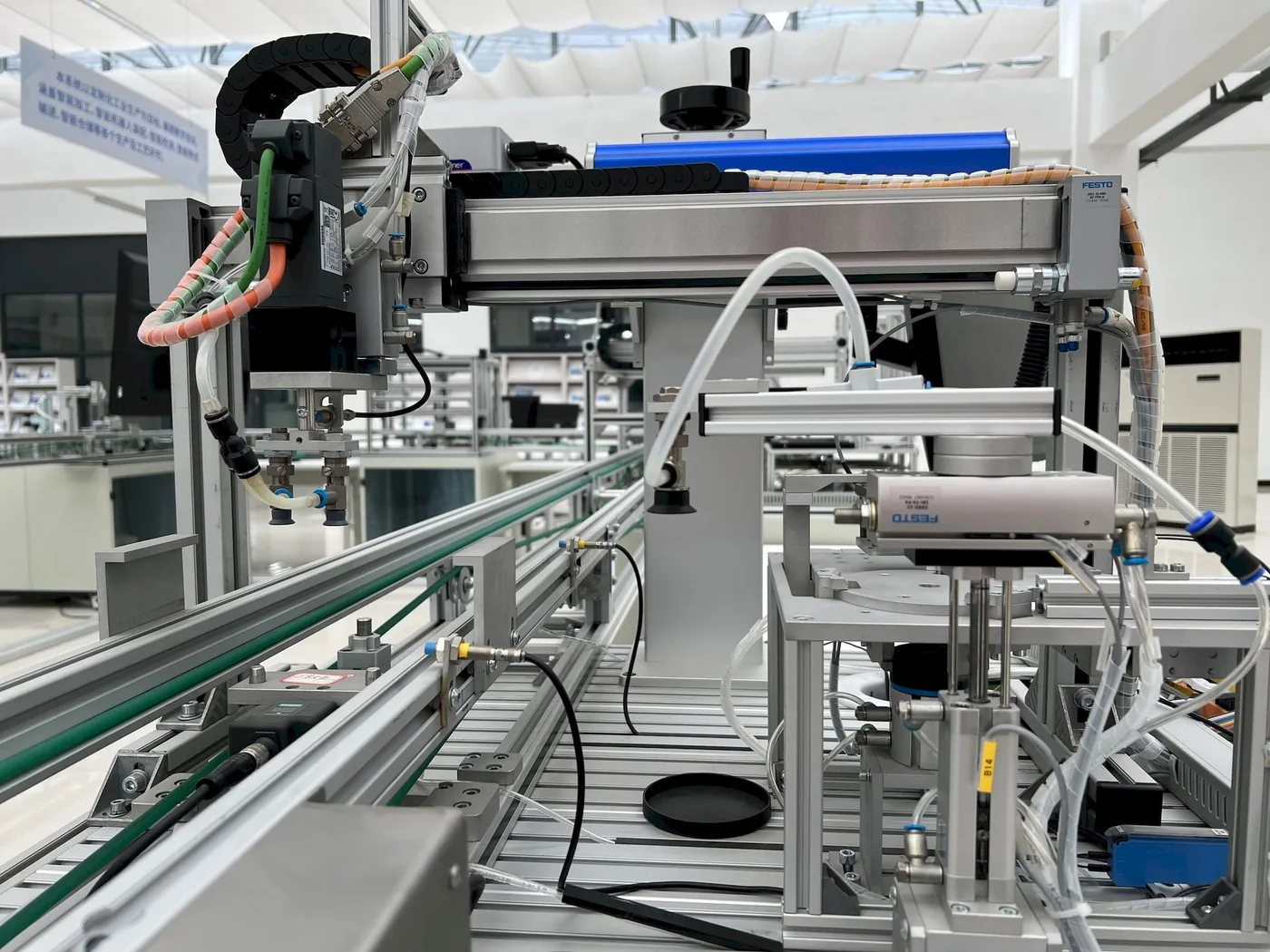
What is changing is the ability to productise more of that complexity. AI can handle previously unstructured information. Modern architectures can integrate with heterogeneous systems. Simulation can reduce physical testing requirements. Edge infrastructure allows intelligence to operate closer to machines. Better developer tools reduce the cost of building highly specialised products.
The winners will still need deep domain knowledge. But they increasingly have the opportunity to turn that knowledge into repeatable products rather than repeatable consulting engagements.
That is when industrial technology starts behaving like venture-scale technology.
07Connect. Understand. Act.
This is also how we think about the industrial AI opportunity at RunwayVC. We invest across three connected layers.
- 01
Connectivity and IoT
Connects physical assets, sensors, machines and industrial data.
- 02
Industrial Intelligence and Orchestration
Turns that data into understanding, decisions, control and coordinated action.
- 03
Robotics and Automation
Takes intelligence into the physical world.
The boundaries between these layers are becoming increasingly blurred, which is exactly the point. The most interesting industrial technology companies will often combine several of them.
AI is the accelerant across the stack.
08Why the Nordics have a real opportunity
There is another reason we are particularly interested in this market from Norway.
We do not have the world’s largest domestic technology market. We have something different: unusually sophisticated industrial environments.
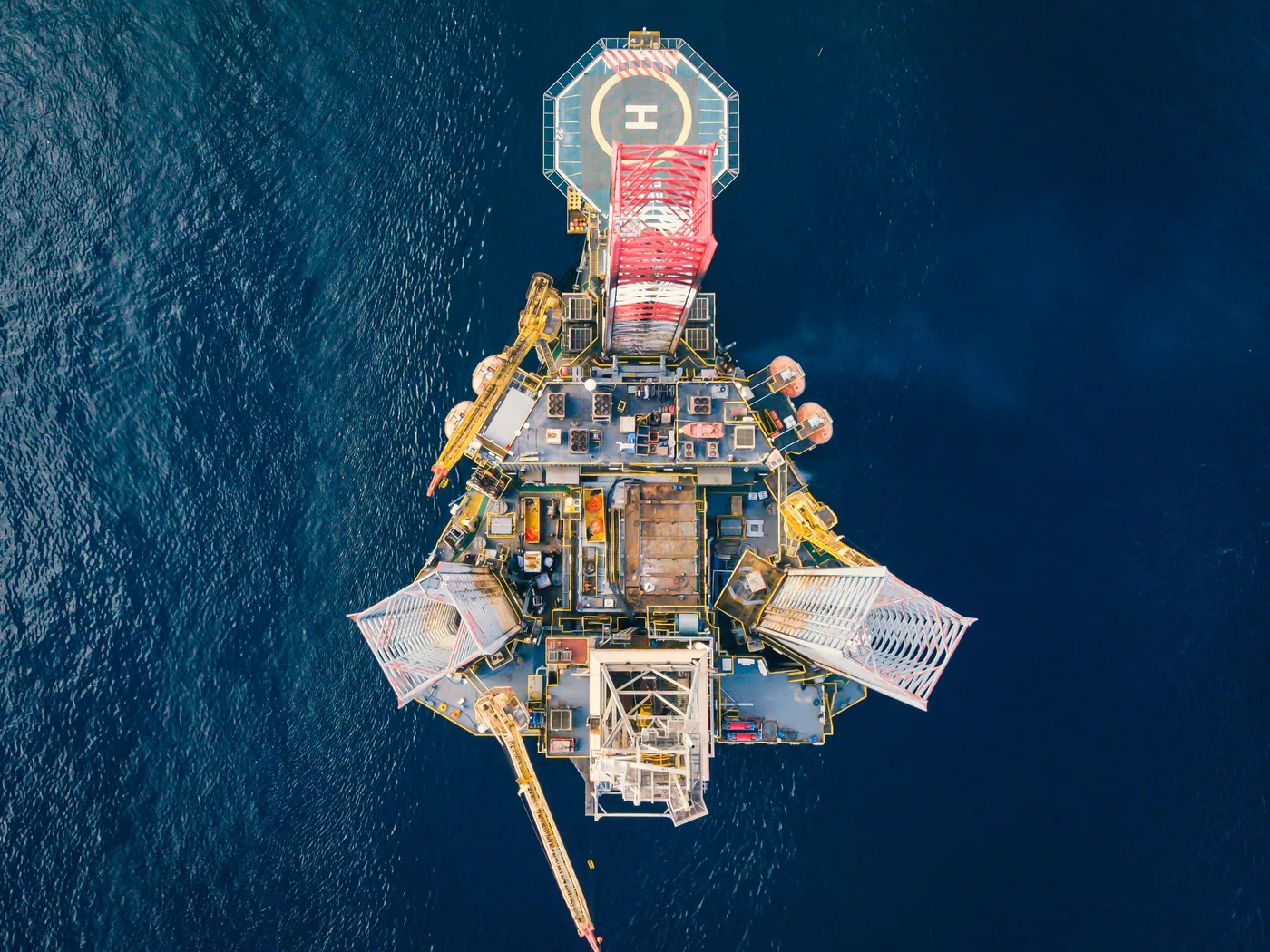
Energy. Maritime. Offshore. Manufacturing. Heavy machinery. Critical infrastructure. These are industries with difficult problems, deep technical competence and customers that operate in environments where technology actually has to work.
For an industrial AI startup, that can be a powerful place to build. A demanding industrial customer can expose weaknesses in a product very quickly. But if the technology works, the same customer can become an important reference when the company expands internationally.
The Nordics can be a test market. The company still has to be global.
09The terminology is new. The thesis isn’t.
Physical AI is fashionable today. Industrial AI will undoubtedly become another label attached to plenty of companies that have very little to do with either AI or industry. That does not change the underlying opportunity.
We are not interested in AI because something has an AI label. We are interested when technology solves an expensive industrial problem, creates a material improvement over the existing way of working, can prove itself in a real operating environment and has a credible path to repeated deployment across customers and markets.
That is the filter. And after investing in industrial technology over the past several years, I think the conditions are now fundamentally different from where they were five years ago.
The assets are increasingly connected. The intelligence is dramatically better. Robotics and automation are becoming more capable. Industrial customers have stronger reasons to adopt. And critically, more of the complexity can now be turned into scalable technology products.
That is why I believe industrial AI is finally becoming a venture-scale market.
Some of the next global technology leaders will not simply build software that helps us work differently on a screen. They will change how machines operate, how energy systems are managed, how factories make decisions and how dangerous physical work gets done.
We intend to back them early.